

Kung Pao Chicken (宫保鸡丁 – Gōngbǎo Jīdīng) is undoubtedly one of the most famous dishes originating from the Sichuan region of China. Known for its addictive blend of spicy, sweet, savory, and nutty flavors, this stir-fry classic features tender diced chicken, crispy roasted peanuts, vibrant vegetables,Kung Pao Chicken Recipe and the signature numbing kick of Sichuan peppercorns.
If you have been looking for an authentic Kung Pao Chicken recipe that tastes just like your favorite Chinese restaurant—or even better—you have come to the right place. In this complete guide, you will learn the step-by-step process of preparing, velveting, and cooking authentic Kung Pao Chicken in your own kitchen.
What Makes Authentic Kung Pao Chicken So Special?
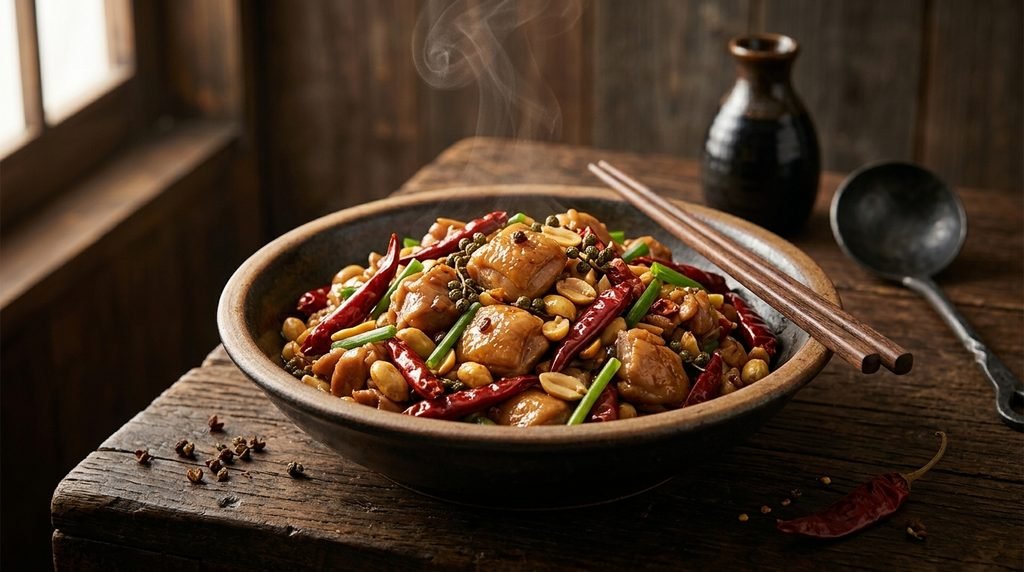
While Americanized versions of Kung Pao Chicken often rely heavily on thick, overly sweet sauces and bulky vegetables like zucchini or bell peppers, traditional Sichuan-style Kung Pao Chicken keeps things balanced and focused:
- Tender Velveted Chicken: Diced chicken thighs marinaded using traditional technique to lock in moisture.
- The “Sichuan Flavor Complex”: A harmonious blend of spicy dry red chilies, citrusy Sichuan peppercorns, dark soy sauce, and Chinkiang black vinegar Chinese Beef and Broccoli Recipe.
- Crisp Textures: Roasted peanuts and fresh leeks or scallions add essential crunch and aroma.
- Balanced Sauce: A savory, slightly tangy, and subtly sweet brown sauce that lightly coats every ingredient rather than drowning it.
Easy Kung Pao Chicken Recipe Step-by-Step
To achieve that genuine restaurant-quality flavor, gathering the right ingredients is key.
1. The Chicken & Marinade
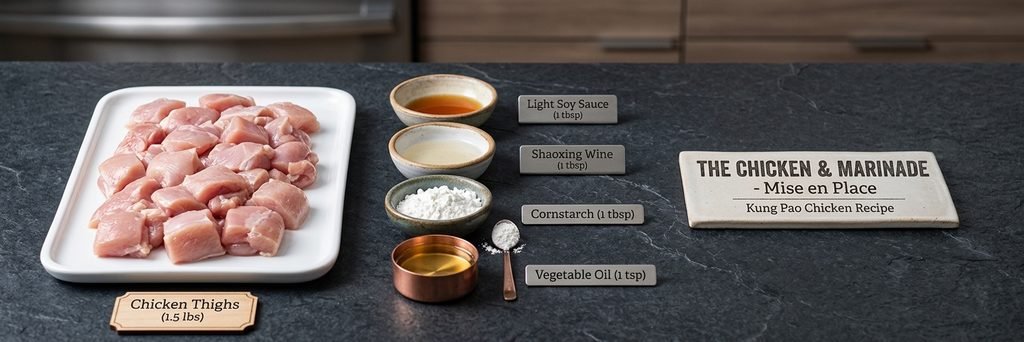
- Chicken Thighs: 1.5 lbs (approx. 700g) boneless, skinless chicken thighs, cut into 3/4-inch bite-sized cubesKung Pao Chicken Recipe.
- Soy Sauce: 1 tbsp light soy sauce.
- Shaoxing Wine: 1 tbsp Chinese cooking rice wineKung Pao Chicken Recipe.
- Cornstarch: 1 tbsp cornstarch (for velveting).
- Vegetable Oil: 1 tsp neutral cooking oil.
2. The Kung Pao Sauce
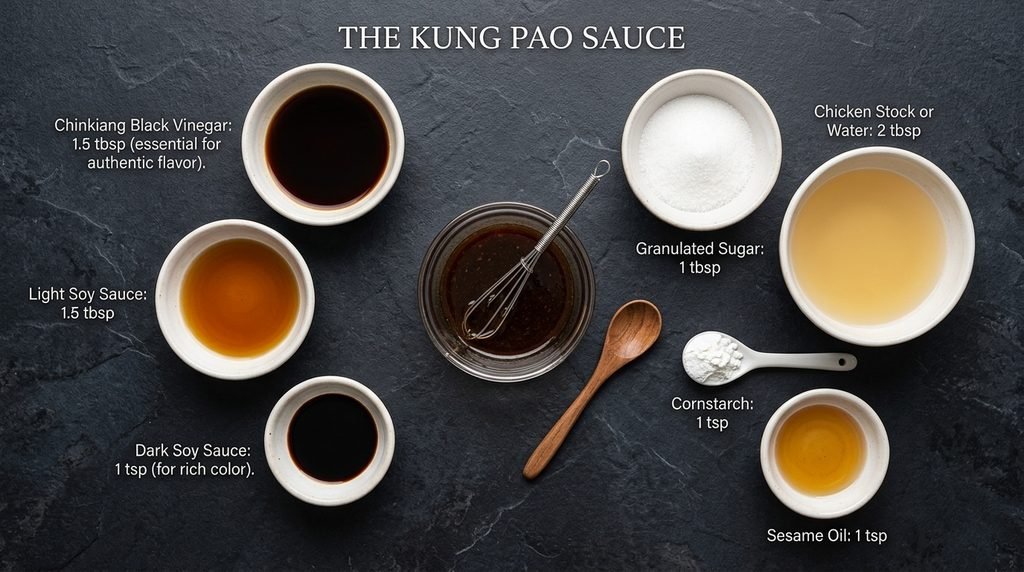
- Chinkiang Black Vinegar: 1.5 tbsp (essential for authentic flavor).
- Light Soy Sauce: 1.5 tbsp.
- Dark Soy Sauce: 1 tsp (for rich color).
- Granulated Sugar: 1 tbsp.
- Chicken Stock or Water: 2 tbsp.
- Cornstarch: 1 tsp.
- Sesame Oil: 1 tsp.
3. Aromatics & Stir-Fry Base
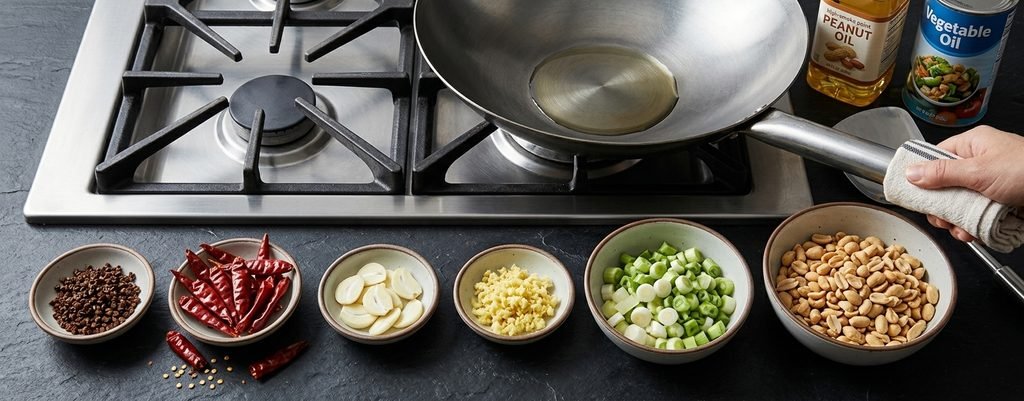
- Sichuan Peppercorns: 1 tsp whole Sichuan peppercorns.
- Dried Red Chilies: 10–12 whole dried red chilies (snapped in half, seeds removed for milder heat).
- Garlic: 4 cloves, thinly sliced.
- Ginger: 1 tbsp minced fresh ginger.
- Scallions/Green Onions: 4 stalks, white and light green parts cut into 1/2-inch rounds.
- Peanuts: 1/2 cup roasted unsalted peanuts.
- Cooking Oil: 3 tbsp neutral oil with high smoke point (peanut, canola, or vegetable oil).
Step-by-Step Cooking Instructions
Step 1: Marinate and Velvet the Chicken
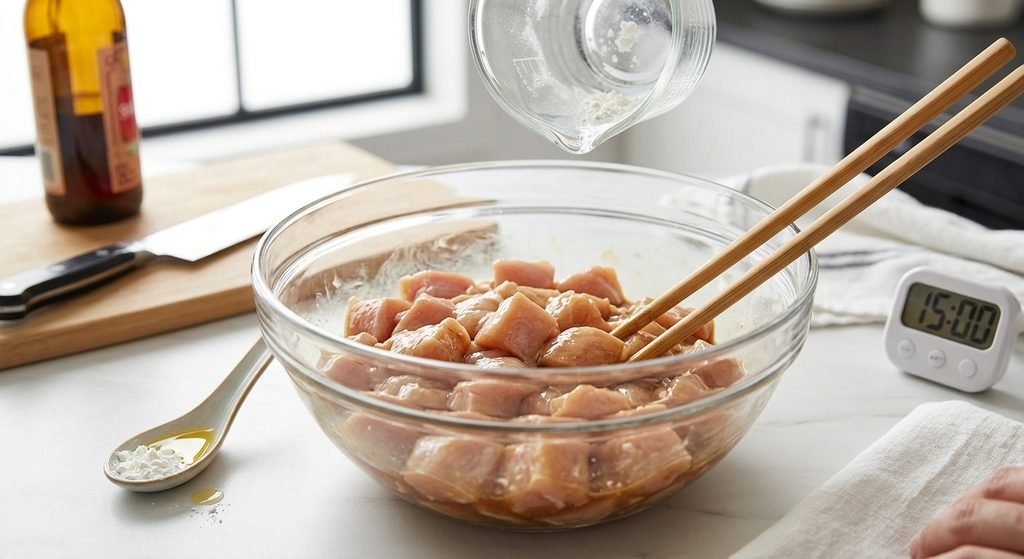
- Cut the chicken thighs into uniform 3/4-inch pieces.
- In a medium bowl, combine the diced chicken with light soy sauce, Shaoxing wine, cornstarch, and 1 tsp oil.
- Mix thoroughly using your hands or chopsticks until the liquid is fully absorbed and the chicken feels coated in a velvety layer.
- Set aside to marinate at room temperature for 15 to 20 minutes.
Step 2: Prepare the Stir-Fry Sauce
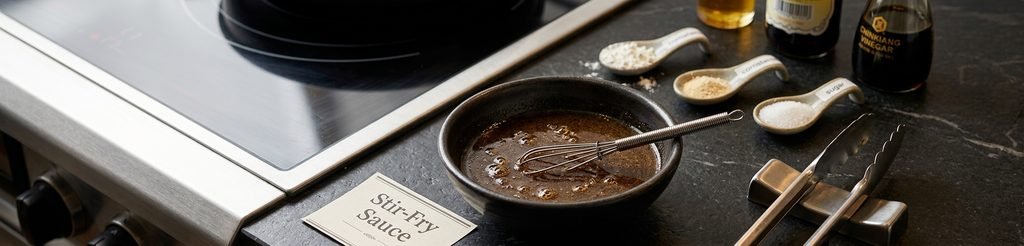
- In a small bowl, whisk together Chinkiang black vinegar, light soy sauce, dark soy sauce, sugar, chicken stock, cornstarch, and sesame oil Easy Chinese Chicken Noodles.
- Stir well until the sugar and cornstarch are completely dissolved. Keep this sauce bowl right next to your stove, as stir-fry cooking moves very quickly.
Step 3: Toast the Peanuts and Spices
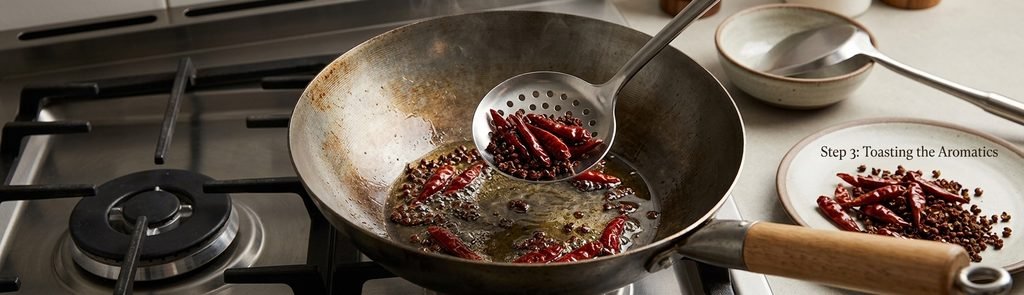
- Heat your wok or large heavy-bottomed skillet over medium heat.
- Add 1 tablespoon of cooking oil. Add whole Sichuan peppercorns and dried red chilies.
- Stir-fry gently for 30–45 seconds until aromatic and the chilies turn a dark, rich red (be careful not to burn them).
- Remove the fragrant chilies and peppercorns with a slotted spoon and set aside, leaving the infused oil in the wok.
Step 4: Sear the Chicken
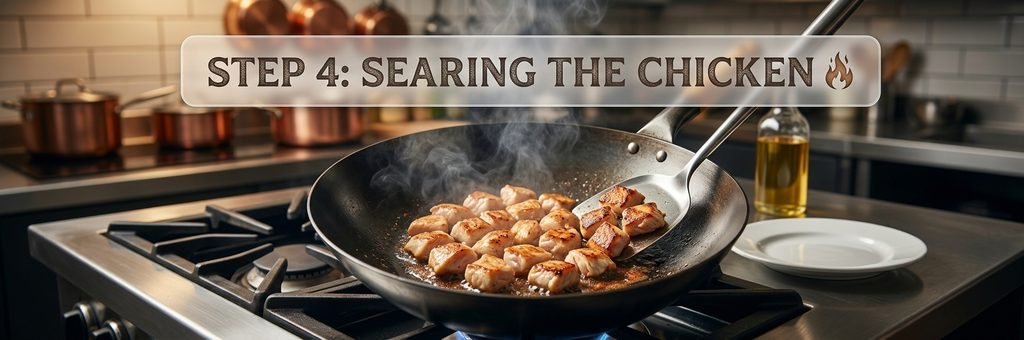
- Turn the heat up to high. Add another tablespoon of oil to the wok.
- Add the marinated chicken in a single flat layer. Let it sear untouched for 1 minute to form a lightly golden crust.
- Stir-fry the chicken for another 2 to 3 minutes until it turns pale on the outside and is about 80% cooked through.
- Remove chicken from the wok and transfer to a plate.
Step 5: Combine Aromatics & Finish Stir-Frying
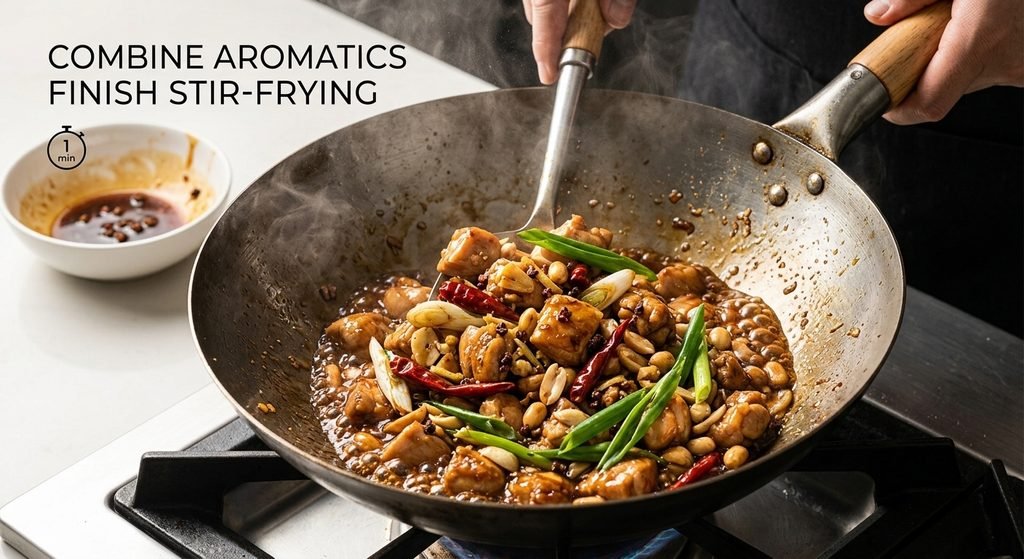
- Keep the wok over high heat.Kung Pao Chicken RecipeAdd the remaining tablespoon of oil if the wok looks dry.
- Add the sliced garlic, minced ginger, and scallion whites. Stir-fry rapidly for 15–20 seconds until highly fragrant.
- Return the seared chicken, toasted chilies, and peppercorns back into the wok.
- Stir the prepared sauce thoroughly and pour it around the outer edge of the hot wok safe chicken cooking temperature.
- Toss everything rapidly over high heat for 1 to 2 minutes until the sauce bubbles, thickens, and evenly glazes every piece of chicken.
- Stir in the roasted peanuts and scallion greens. Give it a final 10-second quick toss, then remove from heat immediately Kung Pao Chicken.
Pro Tips for the Best Kung Pao Chicken
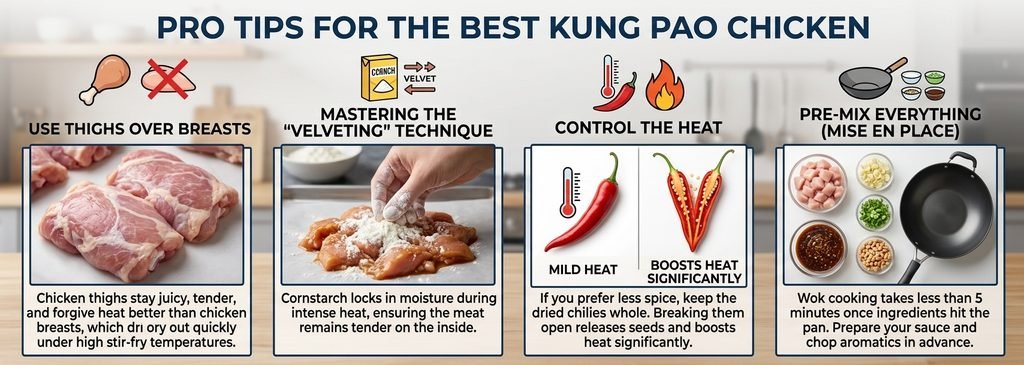
- Use Thighs over Breasts: Chicken thighs stay juicy, tender, and forgive heat better than chicken breasts, which dry out quickly under high stir-fry temperatures.
- Mastering the “Velveting” Technique: Cornstarch locks in moisture during intense heat, ensuring the meat remains tender on the inside.
- Control the Heat: If you prefer less spice, keep the dried chilies whole. Breaking them open releases seeds and boosts heat significantly Kung Pao Chicken.
- Pre-mix Everything (Mise en Place): Wok cooking takes less than 5 minutes once ingredients hit the pan. Prepare your sauce and chop aromatics in advance Sichuan peppercorns.
Nutritional Information (Per Serving)
- Calories: ~420 kcal
- Protein: 32g
- Carbohydrates: 14g
- Fat: 26g
- Sodium: 780mg
How to Serve and Store
Serving Suggestions: Serve steaming hot alongside fresh Jasmine rice or plain steamed white rice. The neutralize-and-absorb profile of plain rice balances the spicy, savory glaze perfectly Kung Pao Chicken.
Storage Instructions: Keep leftover Kung Pao Chicken in an airtight glass container in the refrigerator for up to 3 days. Reheat gently in a skillet over medium heat with a splash of water to loosen the sauce.What to Serve with Kung Pao Chicken
To make a complete and balanced Chinese feast, pair your Kung Pao Chicken with classic side dishes that complement its bold, spicy, and tangy Sichuan flavors:
- Steamed Jasmine or Basmati Rice: The light, fluffy texture of white rice absorbs the rich Kung Pao sauce perfectly while toning down the spice level.
- Egg Fried Rice: For an authentic takeaway experience, serve your stir-fry over savory egg fried rice loaded with green peas and carrots.
- Garlic Stir-Fried Vegetables: Balance the heat with light, crisp vegetables like stir-fried bok choy, steamed broccoli, or garlic green beans Kung Pao Chicken.
- Egg Drop or Hot and Sour Soup: Start your meal with a warm bowl of soup for a complete restaurant-style dining experience at home.
How to Store & Reheat Leftover Kung Pao Chicken
If you have leftovers, storing and reheating your Kung Pao Chicken properly ensures the meat stays juicy and the vegetables remain flavorful:
Microwave Option: Heat on medium power in 30-second intervals, stirring in between, and add a splash of water or chicken broth to keep the sauce glossy.
Refrigeration: Allow the dish to cool completely to room temperature. Transfer it into an airtight container and store it in the refrigerator for up to 3 to 4 days.
Freezing: You can freeze cooked Kung Pao Chicken in a freezer-safe container for up to 2 months Kung Pao Chicken. Thaw it overnight in the fridge before reheating.
Reheating in a Wok or Skillet (Best Method): Heat 1 teaspoon of oil in a wok over medium heat. Add the leftovers and stir-fry for 2 to 3 minutes until warmed through to retain the crisp texture.
Common Mistakes to Avoid When Cooking Kung Pao Chicken Kung Pao Chicken
To get restaurant-quality results at home, keep these key mistakes in mind:
- Overcrowding the Wok: Cooking too much chicken at once drops the pan temperature, causing the meat to steam instead of sear. Cook in batches if needed.
- Burning the Dried Chilies: Dried red chilies and Sichuan peppercorns burn very quickly in hot oil. Keep the heat on medium and stir-fry them for only 30 to 45 seconds until fragrant.
- Skipping the Velveting Step: Skipping the cornstarch and soy sauce marinade will result in dry, chewy chicken rather than tender, juicy bites.
- Using High-Heat Cooking Oils with Low Smoke Points: Avoid butter or unrefined oils. Stick to high-smoke-point oils like peanut, canola, or vegetable oil for stir-frying.
Flavor Variations & Customization Ideas Kung Pao Chicken
While traditional Sichuan Kung Pao Chicken is unbeatable, you can easily adapt this versatile recipe to fit your dietary preferences:
- Vegetarian or Vegan Option: Replace the diced chicken thighs with extra-firm tofu, king oyster mushrooms, or cauliflower florets. Use vegetable stock instead of chicken broth Kung Pao Chicken.
- Adjusting the Spice Level: Reduce the number of dried chilies and remove all seeds for a milder flavor, or add a teaspoon of chili oil/Sichuan chili flakes for extra heat.
- Nut Substitutions: If you have a peanut allergy, substitute roasted cashews, crunchy almonds, or toasted sesame seeds to keep that essential crunch Kung Pao Chicken.
