

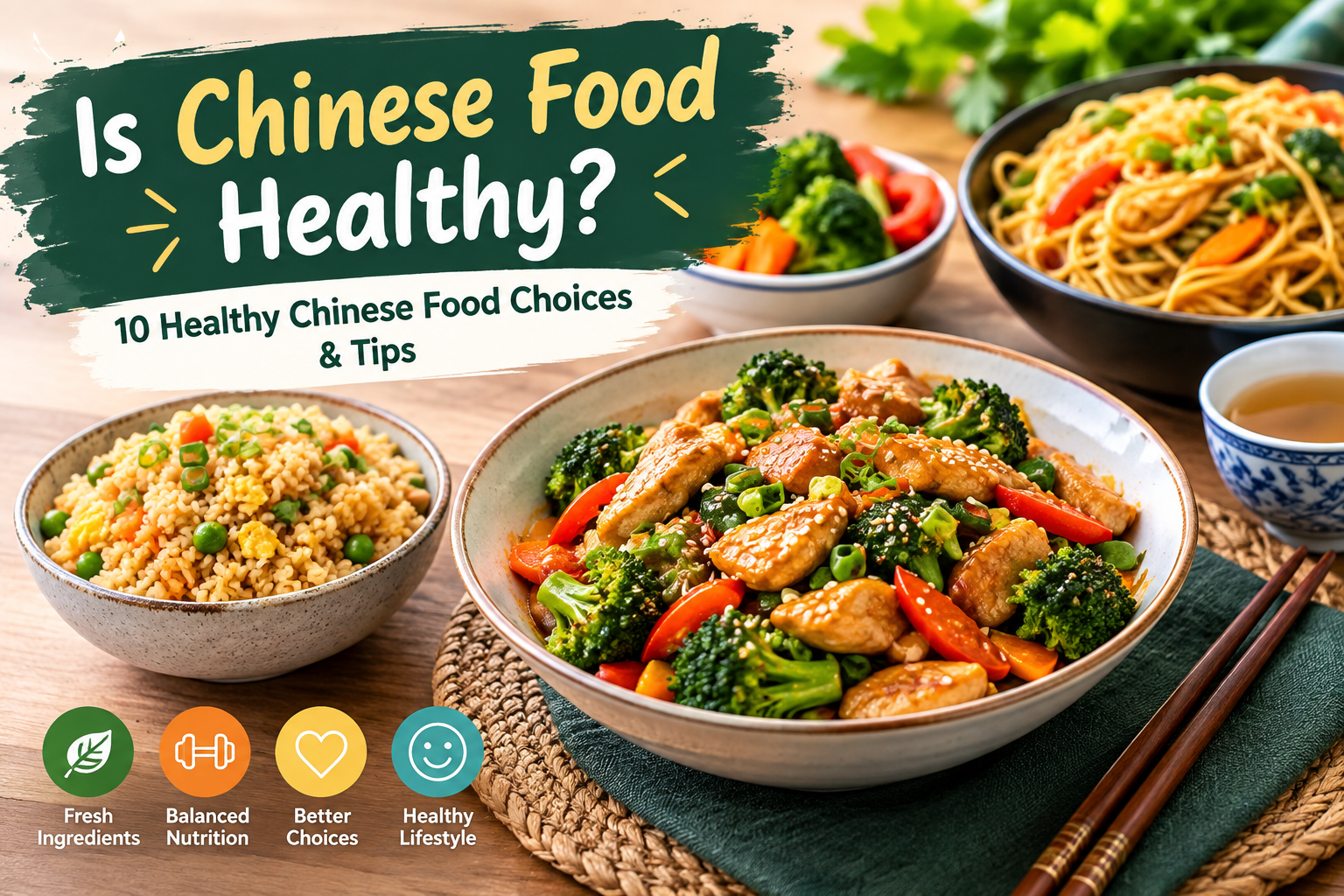
Is Chinese food healthy? The answer depends on the dish, ingredients, cooking method, portion size, and how much sauce or oil is used. Chinese cuisine includes a huge variety of foods, from steamed vegetables and lean protein to stir-fries, noodle dishes, soups, dumplings, rice dishes, and deep-fried favorites.
This means you do not have to completely avoid Chinese food if you want to eat a balanced diet. Instead, choosing dishes with vegetables, lean protein, moderate portions, and lighter cooking methods can make a Chinese meal a more balanced choice.
Restaurant Chinese food can sometimes contain a lot of sodium because sauces, seasonings, and prepared ingredients may contribute significant amounts. The American Heart Association recommends that most adults consume no more than 2,300 mg of sodium per day, with an ideal limit of 1,500 mg for most adults.
In this guide, we will explain is Chinese food healthy, which dishes can be better choices, what to watch out for, and how to make your favorite Chinese meals healthier at home.
Is Chinese Food Healthy?
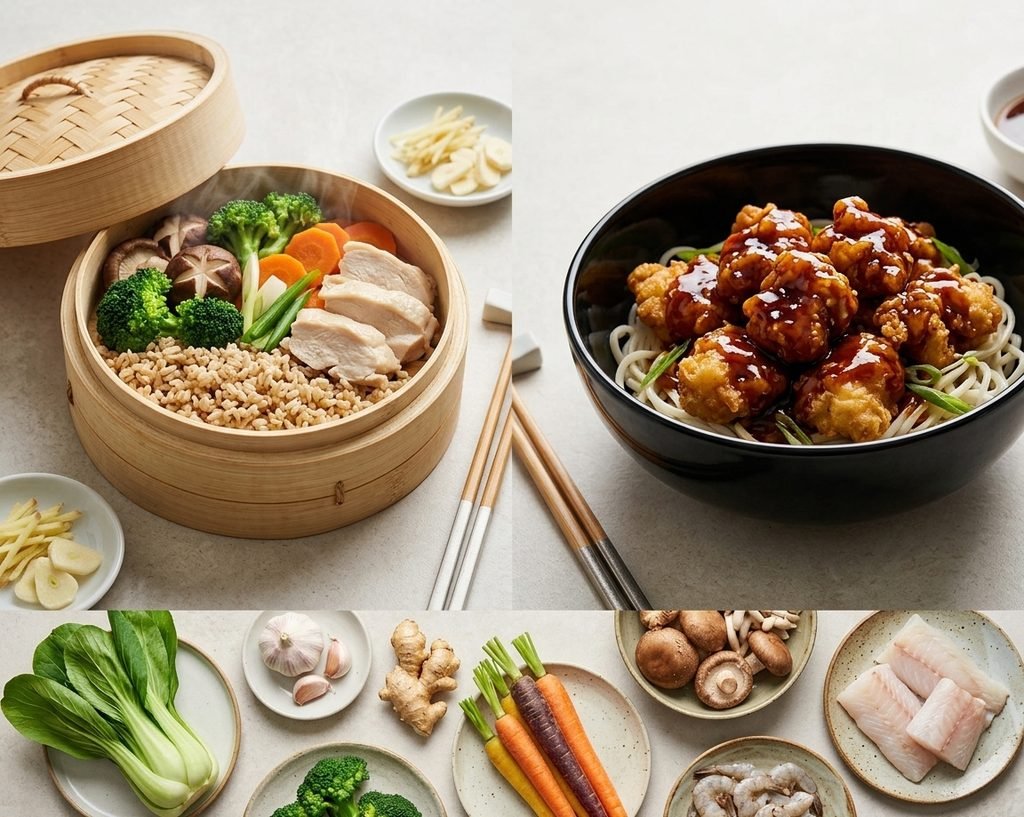
Yes, Chinese food can be healthy, but not every Chinese dish has the same nutritional profile.
Traditional Chinese cuisine contains many ingredients that can fit into a balanced eating pattern, including:
- Vegetables
- Rice
- Noodles
- Tofu
- Fish
- Chicken
- Lean beef
- Seafood
- Garlic
- Ginger
- Green onions
- Mushrooms
- Broccoli
- Cabbage
- Carrots
The main difference often comes from how the food is prepared.
For example, steamed vegetables with lean chicken can be very different nutritionally from deep-fried chicken covered in a sweet sauce.
When choosing Chinese food, consider the ingredients, cooking method, sauce, portion size, and the amount of sodium.
What Makes Chinese Food Healthy?
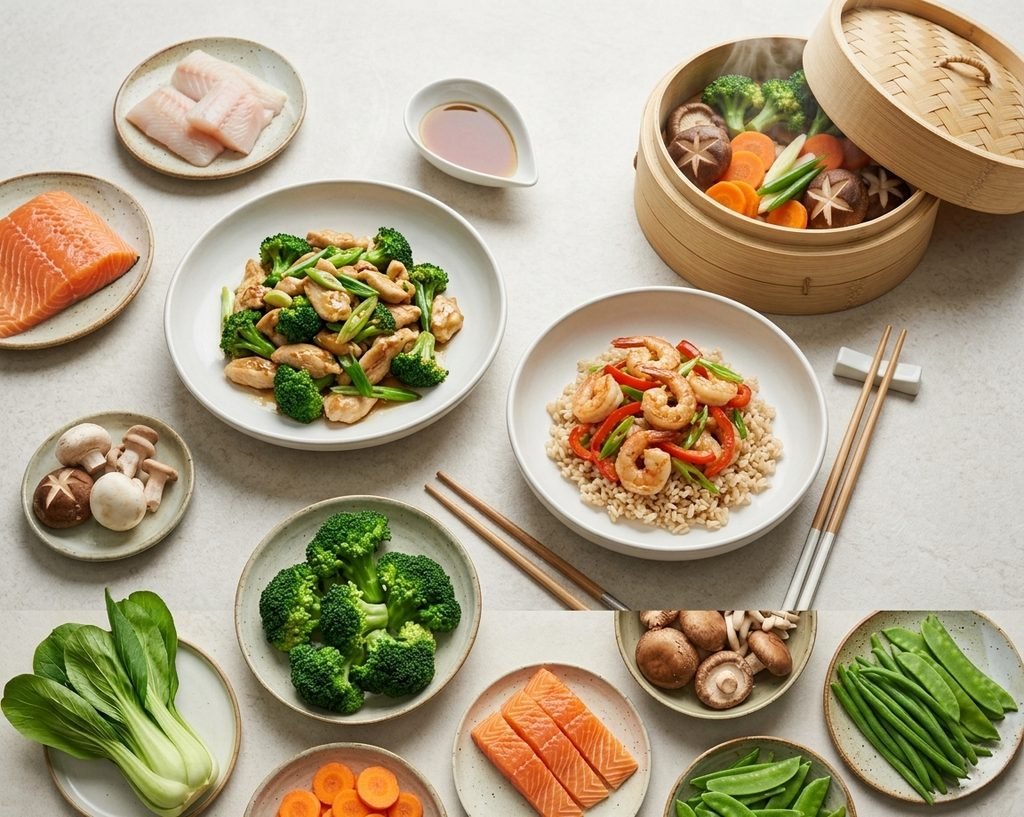
There are several ways Chinese food can provide a balanced meal.
1. Plenty of Vegetables
Vegetables are an important part of many Chinese dishes.
Common choices include:
- Broccoli
- Bok choy
- Cabbage
- Carrots
- Bell peppers
- Snow peas
- Mushrooms
- Green beans
- Spinach
- Bean sprouts
Adding more vegetables to a meal can increase its variety and provide important nutrients and dietary fiber.
For example, chicken and broccoli can be a more balanced choice than a dish consisting mostly of fried meat and sauce.
You can also ask for extra vegetables when ordering Chinese food from a restaurant.
2. Lean Protein Can Be a Good Choice
Chinese cuisine offers many protein options.
You can choose:
- Chicken
- Fish
- Shrimp
- Tofu
- Lean beef
- Seafood
Protein can help make a meal more filling.
The cooking method matters, though. Grilled, steamed, poached, or lightly stir-fried protein can be a different choice from heavily breaded and deep-fried meat.
If you are ordering takeout, look for dishes that include lean protein and vegetables.
10 Healthy Chinese Food Choices
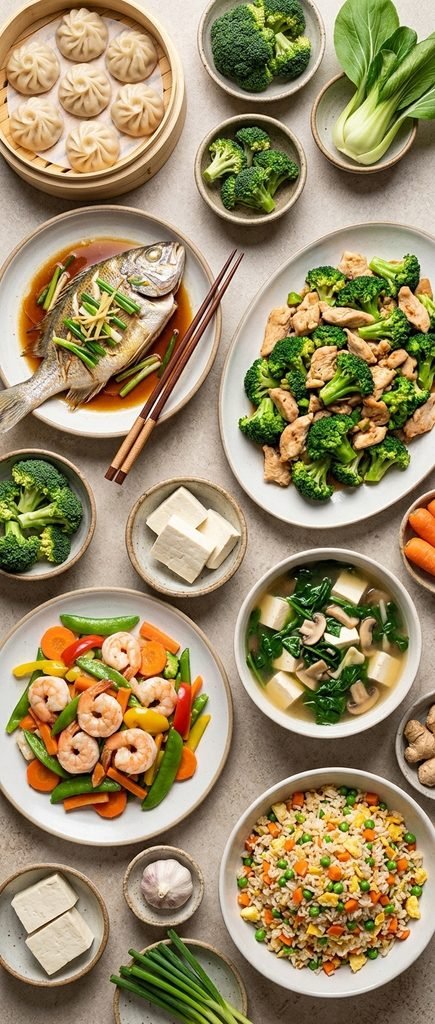
If you are wondering is Chinese food healthy, one of the easiest ways to answer the question is to look at specific dishes.
Here are 10 Chinese food options that can work well as part of a balanced meal.
1. Steamed Vegetables
Steamed vegetables are one of the simplest options.
You can enjoy broccoli, bok choy, cabbage, carrots, mushrooms, or other vegetables.
Ask for sauce on the side if possible so you can control how much you use.
2. Steamed Fish
Steamed fish can be a simple Chinese meal built around a lean protein.
Chinese-style steamed fish is commonly served with ingredients such as ginger and green onions.
Instead of choosing a heavily fried fish dish, steaming provides a lighter preparation method Chinese Noodle Recipes.
Serve it with vegetables and a moderate portion of rice for a balanced meal.
3. Chicken and Broccoli
Chicken and broccoli is a popular combination because it includes both protein and vegetables.
For a healthier version:
- Use skinless chicken
- Add plenty of broccoli
- Use less sauce
- Avoid excessive oil
- Serve with a moderate amount of rice
You can also prepare this dish at home, where you have much more control over the ingredients.
4. Vegetable Stir-Fry
A vegetable stir-fry can be a delicious way to eat a variety of vegetables.
Try combining:
- Broccoli
- Bell peppers
- Mushrooms
- Carrots
- Snow peas
- Cabbage
Use a small amount of cooking oil and a moderate amount of sauce.
Garlic, ginger, green onions, black pepper, and other seasonings can add flavor without requiring a large amount of sauce.
5. Tofu With Vegetables
Tofu is commonly used in Chinese cuisine and can be combined with vegetables in a stir-fry or other dishes.
A tofu and vegetable meal can provide protein along with a variety of vegetables.
For a lighter preparation, avoid deep-frying the tofu and use a moderate amount of sauce.
6. Chinese Vegetable Soup
Soup can be a satisfying option, particularly when it contains vegetables and protein.
Depending on the recipe, Chinese soups may contain:
- Vegetables
- Chicken
- Tofu
- Mushrooms
- Egg
- Seafood
However, soup can also contain significant sodium, especially restaurant or prepared varieties. Therefore, portion size and the specific recipe matter.
7. Steamed Dumplings
Dumplings can fit into a balanced meal, particularly when they are steamed rather than deep-fried.
You can pair steamed dumplings with:
- Steamed vegetables
- Cucumber salad
- A light soup
Be mindful of dipping sauces because they can add additional sodium.
8. Shrimp With Vegetables
Shrimp and vegetables can provide a combination of protein and vegetables.
For a lighter version, choose steamed or lightly stir-fried shrimp rather than breaded and deep-fried shrimp.
Adding colorful vegetables can make the meal more satisfying and varied.
9. Beef and Broccoli
Beef and broccoli is another popular Chinese-American dish.
For a healthier homemade version, choose lean beef, increase the amount of broccoli, and control the amount of sauce.
Serve it with a moderate portion of rice.
You can also check out our Chinese Beef and Broccoli Recipe for another meal idea.
10. Homemade Chinese Fried Rice With More Vegetables
Fried rice does not automatically have to be an unhealthy choice.
The ingredients and portion size make a big difference.
A homemade version can include:
- Cooked rice
- Eggs
- Carrots
- Peas
- Green onions
- Garlic
- A small amount of sesame oil
- Moderate soy sauce
Adding vegetables and protein can make homemade fried rice more substantial.
The advantage of cooking at home is that you can control the amount of oil and sodium.
Chinese Foods to Eat Less Often
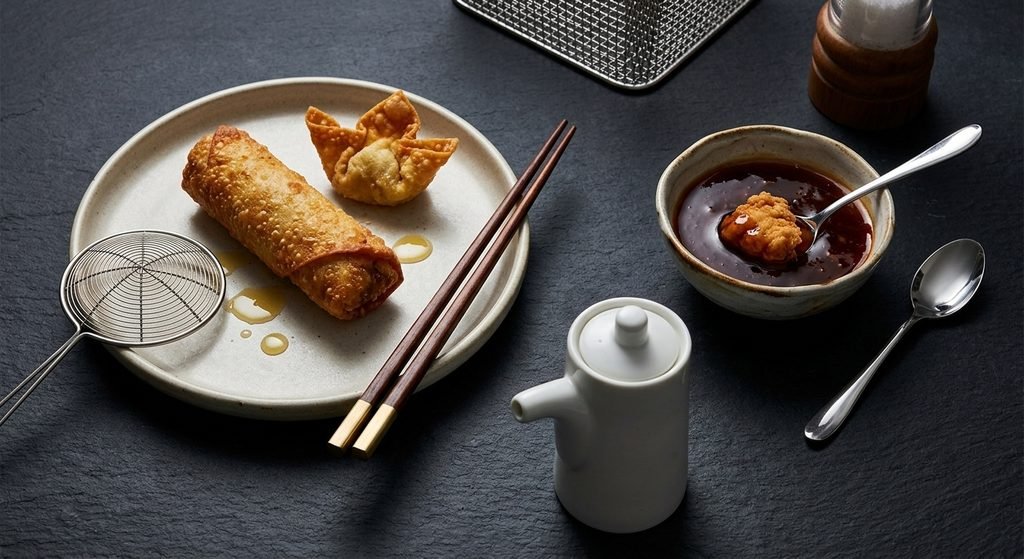
When asking is Chinese food healthy, it is also important to understand that some dishes can be much higher in calories, sodium, added sugar, or fat.
You do not necessarily need to completely avoid these foods. However, they may be better as occasional choices.
Deep-Fried Foods
Examples include:
- Fried chicken
- Fried wontons
- Egg rolls
- Fried dumplings
- Crispy noodles
- Fried shrimp
Deep frying adds oil to the food and can make a dish much heavier.
Sweet and Sticky Sauces
Some Chinese-American dishes use sweet sauces containing added sugar.
Examples can include:
- Sweet and sour dishes
- Honey-style sauces
- Sticky orange sauces
- Some teriyaki-style sauces
You can request sauce on the side or use less sauce when cooking at home.
Very Salty Sauces
Soy sauce and other prepared sauces can contribute sodium to a meal.
The American Heart Association notes that restaurant and prepared foods are major sources of sodium in the diet.
That does not mean you must eliminate soy sauce.
Instead, use it moderately and balance the meal with vegetables and other lower-sodium ingredients.
How to Order Healthier Chinese Food at a Restaurant
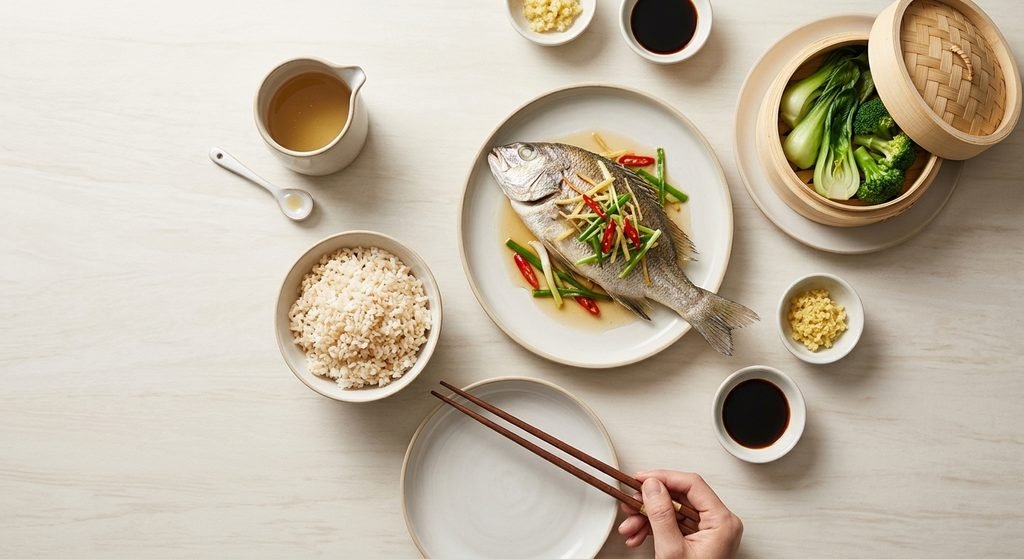
Eating Chinese food at a restaurant does not have to mean giving up your favorite dishes.
Try these simple strategies.
Choose Steamed or Stir-Fried
Look for dishes described as:
- Steamed
- Stir-fried
- Poached
- Lightly cooked
These may be preferable to heavily battered and deep-fried options.
Ask for Sauce on the Side
This is one of the easiest changes you can make.
When sauce is served separately, you can decide how much to use.
Add More Vegetables
Ask for extra vegetables when the restaurant allows it.
This can make your meal more filling and add variety.
Choose a Moderate Rice Portion
Rice can absolutely be part of a balanced meal.
The key is to consider the overall portion.
Instead of filling most of the plate with rice, combine a moderate amount with vegetables and protein.
Share Large Portions
Restaurant portions can be large.
Sharing a meal or saving part for later can help you avoid eating more than you intended.
Is Chinese Food Healthy for Weight Management?
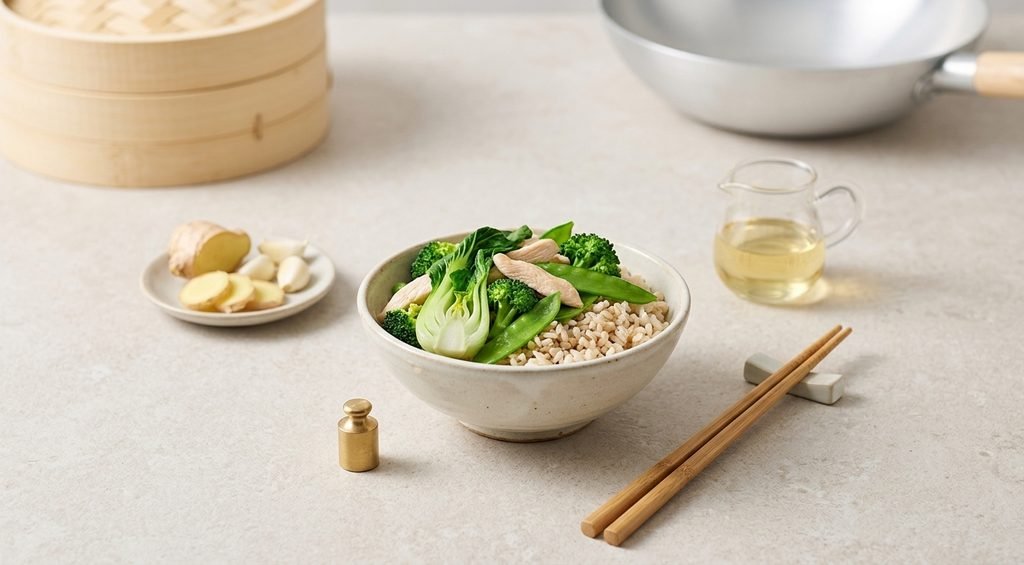
There is no single answer because Chinese food includes many different dishes.
A vegetable-heavy stir-fry with lean protein can be very different from a large portion of deep-fried meat with a sweet sauce.
If you are trying to maintain your weight, focus on:
- Portion size
- Vegetables
- Lean protein
- Cooking method
- Sauces
- Added sugar
- Overall daily eating pattern
Rather than labeling all Chinese food as healthy or unhealthy, consider the ingredients and preparation of each meal.
Is Chinese Food High in Sodium?
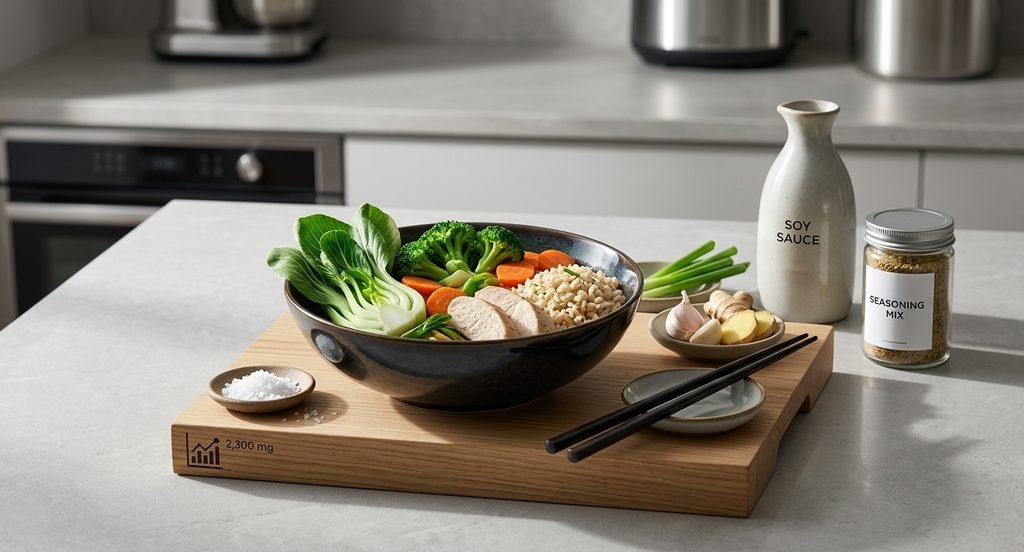
Some Chinese dishes can be high in sodium, especially restaurant and takeout meals.
Sodium can come from ingredients such as:
- Soy sauce
- Prepared sauces
- Broths
- Seasoning mixes
- Pickled ingredients
- Processed meats
The FDA lists 2,300 mg as the Daily Value for sodium on Nutrition Facts labels.
The American Heart Association also recommends no more than 2,300 mg per day for most adults, with an ideal limit of 1,500 mg for most adults.
If you are concerned about sodium, ask for less sauce, choose lower-sodium ingredients when cooking, and compare nutrition information when it is available.
How to Make Chinese Food Healthier at Home
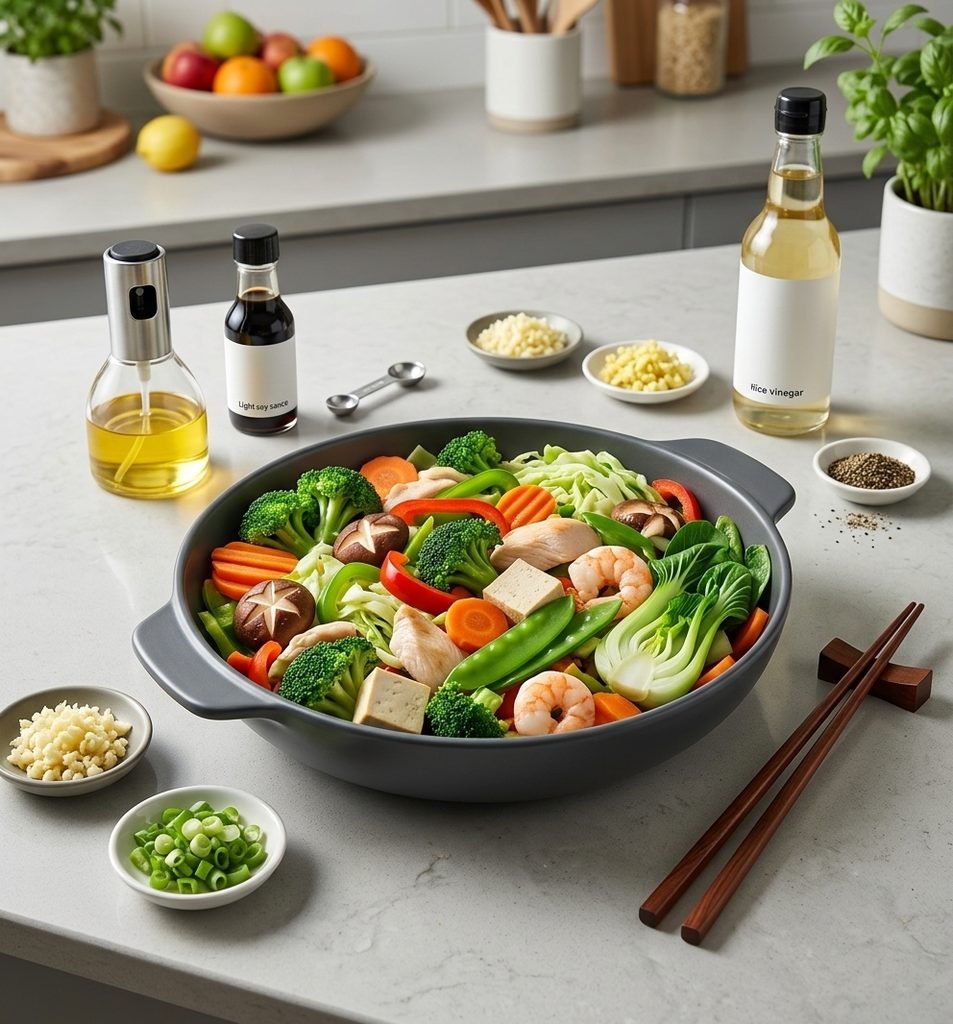
One of the biggest advantages of homemade Chinese food is control.
You can choose exactly what goes into your meal.
Use More Vegetables
Add extra:
- Broccoli
- Carrots
- Bell peppers
- Mushrooms
- Cabbage
- Bok choy
- Snow peas
Choose Lean Protein
Chicken, fish, shrimp, tofu, and lean cuts of beef can all be used in different Chinese-inspired meals.
Control the Oil
You do not need a large amount of oil for a flavorful stir-fry.
Use enough to cook the ingredients properly and avoid adding unnecessary amounts.
Reduce the Sauce
Instead of covering the entire dish in sauce, use a smaller amount for flavor.
You can also experiment with garlic, ginger, green onions, chili, black pepper, and vinegar.
Use Less Sodium
When cooking at home, you can control how much soy sauce and other salty ingredients are added.
The American Heart Association recommends cooking more meals at home as one practical way to control sodium intake.
Healthy Chinese Food: A Simple Plate Formula
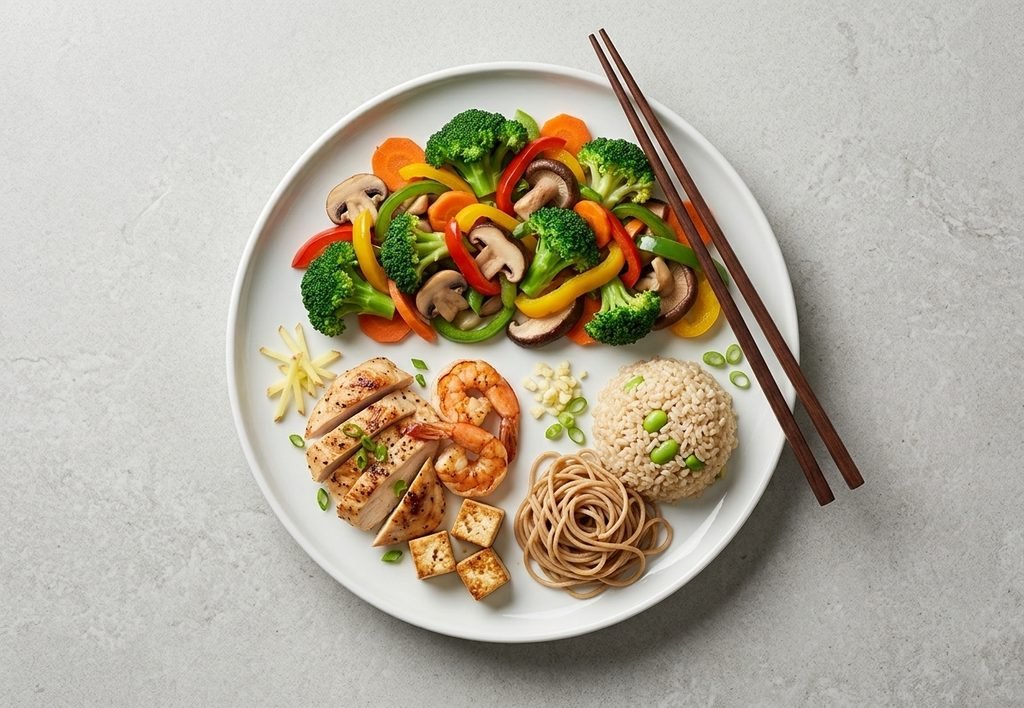
A simple way to build a balanced Chinese meal is:
½ plate vegetables + ¼ plate protein + ¼ plate rice or noodles
For example:
Vegetables:
Broccoli, carrots, mushrooms, and bell peppers
Protein:
Chicken, shrimp, tofu, or fish
Carbohydrate:
Rice or noodles
Flavor:
Garlic, ginger, green onions, moderate soy sauce, and other seasonings
This approach allows you to enjoy Chinese-inspired food without making the meal entirely about rice, noodles, fried foods, or sauce.“Adding more vegetables to meals can increase variety and provide important nutrients and dietary fiber.”
Is Homemade Chinese Food Healthier Than Takeout?
Homemade Chinese food can make it easier to control:
- Oil
- Sodium
- Sugar
- Portion sizes
- Vegetables
- Protein
- Cooking method
That does not automatically make every homemade recipe healthy.
A homemade deep-fried dish with a large amount of sugar and oil can still be heavy.
The benefit is that you control the ingredients and portions.
Healthy Chinese Food Swaps
Here are some easy swaps you can try:
| Instead of | Try |
|---|---|
| Deep-fried chicken | Stir-fried chicken |
| Fried dumplings | Steamed dumplings |
| Heavy sauce | Sauce on the side |
| Large rice portion | Moderate rice portion |
| Meat-only dish | Meat + vegetables |
| Deep-fried shrimp | Steamed or lightly stir-fried shrimp |
| Extra salty sauce | Less sauce |
| Fried appetizer | Vegetable-based appetizer |
These small changes can make a Chinese meal more balanced without removing all the flavor.
Frequently Asked Questions
Is Chinese food healthy?
Chinese food can be healthy when you choose dishes with vegetables, lean protein, moderate portions, and lighter cooking methods. Some restaurant dishes can be higher in sodium, sugar, fat, or calories, so the specific dish matters.
What is the healthiest Chinese food to order?
Options such as steamed vegetables, steamed fish, chicken with vegetables, tofu with vegetables, vegetable stir-fry, and steamed dumplings can be reasonable choices. Ask for sauces on the side when possible.
Is Chinese food high in sodium?
Some Chinese restaurant and takeout dishes can contain a lot of sodium because of soy sauce, prepared sauces, broths, and other ingredients. Checking nutrition information and requesting less sauce can help.
Is fried rice healthy?
Fried rice can be part of a balanced meal, especially when it contains vegetables and protein and is prepared with a moderate amount of oil and sodium. Homemade fried rice gives you more control over the ingredients.
Is Chinese food good for a balanced diet?
It can be. Chinese cuisine offers vegetables, rice, noodles, tofu, seafood, chicken, and other foods that can be included in a balanced diet. Choosing the right combination and portion size is important.
Can I eat Chinese food every week?
For many people, Chinese food can be included regularly as part of an overall balanced eating pattern. Focus on variety, vegetables, reasonable portions, and moderation with high-sodium or heavily fried dishes.
Final Thoughts: Is Chinese Food Healthy?
So, is Chinese food healthy?
The best answer is: it depends on what you choose and how it is prepared.
Chinese cuisine includes many nutritious ingredients such as vegetables, seafood, tofu, chicken, rice, mushrooms, cabbage, broccoli, and other vegetables. At the same time, some restaurant dishes can be high in sodium, added sugar, oil, or calories.“The American Heart Association recommends that most adults consume no more than 2,300 mg of sodium per day.”
You do not have to give up Chinese food to make healthier choices.
Instead, try to:
- Choose more vegetables
- Include lean protein
- Prefer steamed or lightly stir-fried dishes
- Limit deep-fried foods
- Ask for sauce on the side
- Watch portion sizes
- Be mindful of sodium
- Cook Chinese food at home when possible
With these simple choices, you can continue enjoying the flavors and variety of Chinese cuisine while building more balanced meals.
