
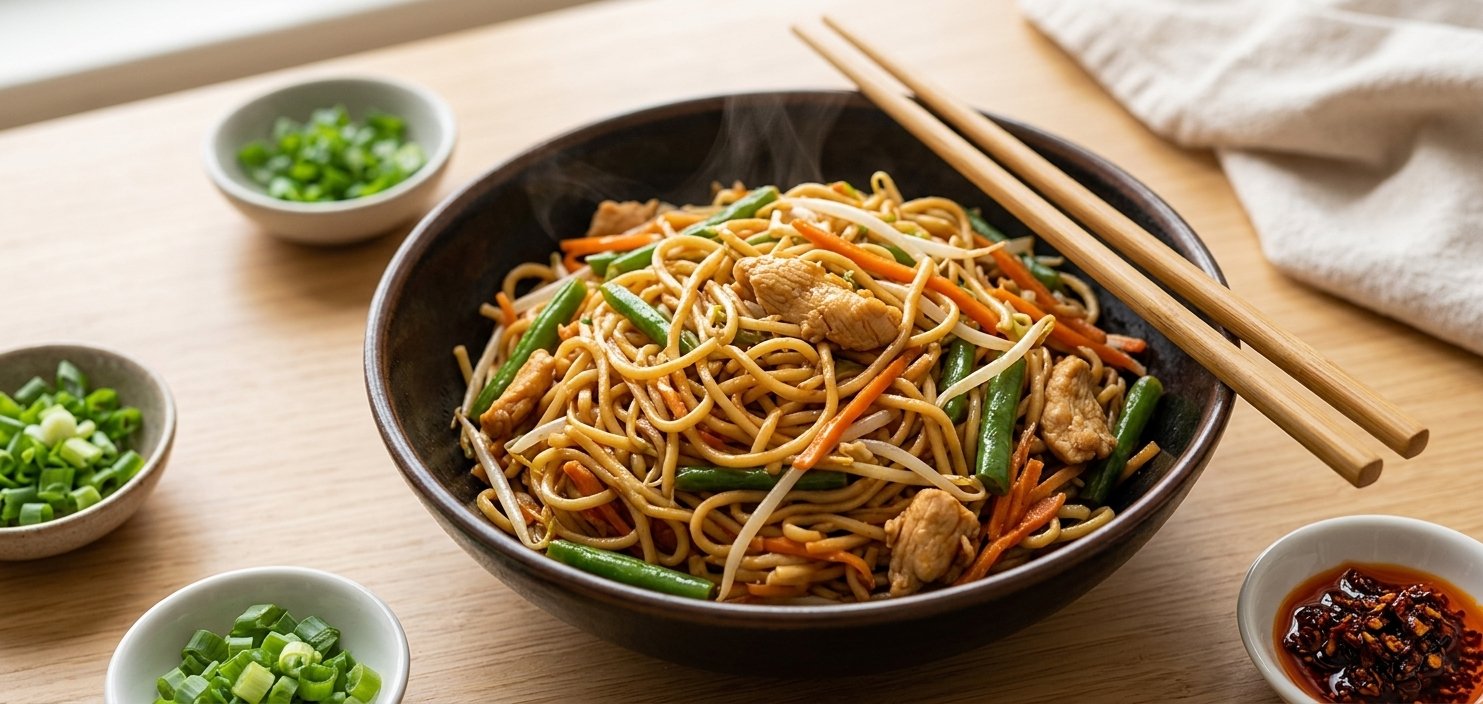
The Ultimate Chinese Noodles Guide: Types, Sauces & Easy Recipes
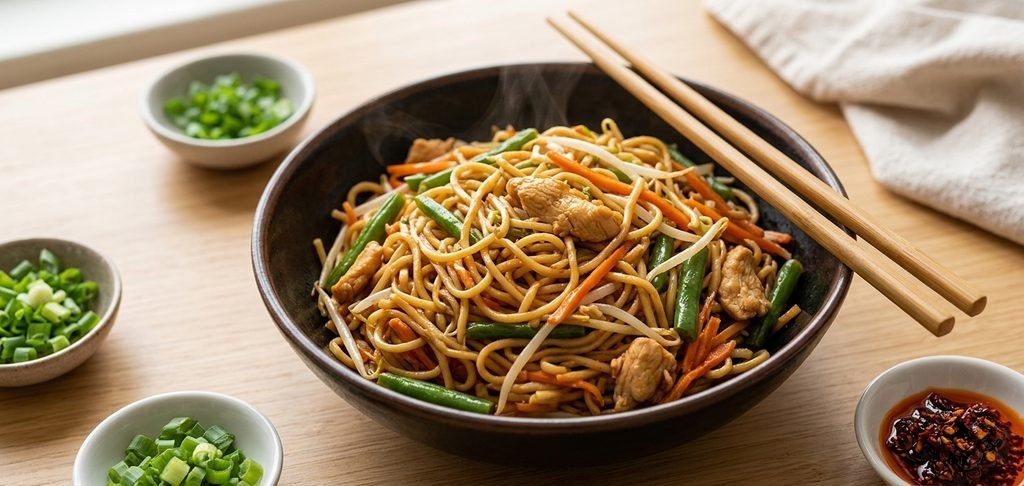
Chinese noodles are a staple of Asian cuisine, loved worldwide for their incredible versatility, rich flavors, and comforting textures. From fiery Sichuan soups to smoky pan-fried Chow Mein, noodles form the foundation of countless regional dishes across China. Whether you are a beginner cook looking for a quick weeknight dinner or an enthusiastic food lover eager to master authentic Asian culinary techniques, this comprehensive guide covers everything you need to know about Chinese noodle recipes, sauce secrets, cooking methods, and ingredient selections.”Learning how to make authentic Chinese noodle recipes at home is easier than you think.”
1. Introduction to Chinese Noodle Culture
Noodles have played a central role in Chinese culinary history for over two thousand years. Unlike Western pasta, which is primarily made from durum wheat semolina, Chinese noodles boast a vast range of base ingredients including wheat flour, rice flour, mung bean starch, and sweet potato starch.
In Chinese culture, noodles symbolize longevity, good health, and prosperity. Long noodles are traditionally served during birthday celebrations and New Year festivities without being cut, representing a long and healthy life. Understanding the cultural importance and ingredient diversity of Chinese noodles elevates your home cooking from simple recipe execution to an authentic culinary experience.
Why Chinese Noodles are Perfect for Quick Meal Prep
- Fast Cooking Time: Most fresh and dried Chinese noodles cook in under 5 minutes.
- Versatile Flavor Pairings: They absorb complex savory, sweet, spicy, and tangy sauces effortlessly.
- Budget-Friendly: Simple ingredients like flour, water, soy sauce, and fresh vegetables create gourmet-quality dishes at home.
2. The Main Types of Chinese Noodles Explained
To create authentic Chinese noodle dishes, selecting the right noodle type is essential. Each variety possesses unique textures, absorbency levels, and cooking requirements.
Egg Noodles (Wheat & Egg Base)
Egg noodles are among the most common noodles used in Chinese takeaway dishes. They range from thin, delicate strands to wide, flat ribbons. The addition of egg gives them a golden yellow color and a firm, springy texture that holds up exceptionally well under high-heat stir-frying.
- Thin Egg Noodles: Best for Hong Kong-style crispy noodles and delicate broth soups.
- Wide Egg Noodles: Excellent for soaking up heavy, rich stir-fry sauces and braised meats.
Rice Noodles (Gluten-Free Choice)
Made from a simple mixture of rice flour and water, rice noodles are naturally gluten-free and feature a smooth, delicate bite. They range from paper-thin rice vermicelli (Mai Fan) to wide, flat rice sheets (Ho Fun).
- Rice Vermicelli: Delicate and thin; perfect for spring roll fillings, cold salads, and light soups.
- Flat Rice Noodles (Ho Fun): Broad and slippery; iconic for dishes like Beef Chow Fun where smoky wok sear is desired.
Glass Noodles (Cellophane / Starch Noodles)
Glass noodles become completely clear and translucent when boiled. Crafted from mung bean starch, sweet potato starch, or tapioca, these noodles have a unique gelatinous chew and readily absorb hot oil, chili pastes, and rich broths.
3. Essential Pantry Ingredients for Authentic Chinese Noodle Sauces
The magic of Chinese noodle cooking lies in the balance of basic pantry sauces. By combining a few key liquid condiments, you can recreate takeaway-style flavors right in your own kitchen.
Must-Have Liquid Seasonings
- Light Soy Sauce (Sheng Chou): Adds essential saltiness, umami, and light color.
- Dark Soy Sauce (Lao Chou): Thicker and sweeter than light soy sauce; provides a rich, glossy dark mahogany color to fried noodles.
- Oyster Sauce: Adds a savory, slightly sweet depth and silky body to stir-fry sauces.
- Shaoxing Rice Wine: A traditional cooking wine that cuts through gamey meat flavors and adds authentic aroma.
- Sesame Oil: Toasted sesame oil adds a warm, nutty finish; always add it at the very end of cooking to preserve its aroma.
- Chili Oil / Crispy Chili Paste: Essential for Sichuan-style noodles, providing fiery heat and textural spice bits.
Fresh Aromatics
- Garlic: Minced finely to infuse heated oil before adding proteins or vegetables.
- Ginger: Adds a sharp, warm kick that balances greasy or rich sauces.
- Green Onions (Scallions): Used both as an aromatic base (white parts) and a fresh garnish (green parts).
4. Master Sauces Every Home Cook Should Know
You can create almost any Chinese noodle dish by mastering these three foundational sauce formulations.
1. Classic All-Purpose Stir-Fry Sauce
- 2 tbsp Light Soy Sauce
- 1 tbsp Dark Soy Sauce
- 1 tbsp Oyster Sauce
- 1 tsp Sugar
- 1/2 tsp Toasted Sesame Oil
- 2 tbsp Water or Chicken Stock
- 1 tsp Cornstarch (for thickening)
2. Spicy Sichuan Chili Noodle Sauce
- 2 tbsp Chili Oil with Crispy Flakes
- 1.5 tbsp Light Soy Sauce
- 1 tbsp Chinkiang Black Vinegar
- 1 tsp Chinese Sesame Paste or Peanut Butter
- 2 cloves Garlic (minced)
- 1/2 tsp Sichuan Peppercorn Powder (for numbing sensation)
3. Savory Garlic & Sesame Soup Broth Base
- 4 cups Low-Sodium Chicken or Vegetable Broth
- 1 tbsp Light Soy Sauce
- 1 tsp Freshly Grated Ginger
- 2 cloves Garlic (smashed)
- 1 tsp Sesame Oil
- 1 pinch White Pepper
5. Popular Pan-Fried & Stir-Fried Noodle Recipes
“These pan-fried options are among the most popular Chinese noodle recipes served in Asian restaurants.
Stir-frying noodles over high heat creates a prized culinary effect known as Wok Hei (“breath of the wok”), which gives the dish a signature smoky flavor and seared aroma.
Classic Vegetable Chow Mein
Chow Mein translates literally to “fried noodles.” This easy stir-fry is packed with crunchy vegetables, chewy egg noodles, and a rich savory sauce.
- Prep Time: 15 mins | Cook Time: 10 mins | Servings: 3-4
Ingredients:
- 300g Fresh Egg Noodles (or dry noodles pre-boiled)
- 1 cup Shredded Cabbage
- 1/2 cup Julienne Carrots
- 1 cup Bean Sprouts
- 3 Scallions (cut into 2-inch pieces)
- 2 tbsp Vegetable Oil (for high-heat cooking)
- 1 recipe Classic All-Purpose Stir-Fry Sauce
Instructions:
- Boil egg noodles according to package directions, subtract 1 minute from cooking time, drain, and toss with a drop of oil to prevent sticking.
- Heat a wok or heavy cast-iron skillet over high heat until lightly smoking. Add vegetable oil.
- Stir-fry green onion whites, cabbage, and carrots for 1-2 minutes until slightly softened yet crisp.
- Toss in the cooked noodles and bean sprouts. Pour the pre-mixed stir-fry sauce evenly over the noodles.
- Using tongs or spatulas, lift and toss the noodles continuously over high heat for 2-3 minutes until the sauce coats every strand and turns glossy.
- Stir in scallion greens, remove from heat, and serve hot.
Beef Chow Fun (Broad Flat Rice Noodles)
Beef Chow Fun is a classic Cantonese dish featuring tender velveted beef slices, wide flat rice noodles (Ho Fun), and crunchy bean sprouts.
Key Pro Tip for Success:
- Handle flat rice noodles gently to avoid breaking them during stir-frying. Keep heat at maximum to achieve true wok sear.
6. Comforting Chinese Noodle Soups
Noodle soups are the ultimate comfort food across Asia, combining aromatic hot broths, chewy noodles, and hearty toppings.
Sichuan Beef Noodle Soup (Hong Shao Niu Rou Mian)
This world-famous dish features tender braised beef shank, rich spicy beef broth, and chewy wheat noodles topped with fresh cilantro and bok choy.
Cooking Technique:
- Braise beef shank with star anise, cinnamon, Sichuan peppercorns, ginger, and spicy bean paste (Doubanjiang) for 2 hours until melt-in-your-mouth tender.
- Cook thick wheat noodles separately in boiling water and transfer to serving bowls.
- Ladle rich spicy beef broth over the noodles, top with braised beef chunks, blanched bok choy, and chopped cilantro.
7. Cold & Tossed Noodle Delights
Cold noodles are popular during hot summer months and as quick lunch options, offering refreshing tanginess and heat.
Dan Dan Noodles (Dan Dan Mian)
A famous street food from Sichuan province, Dan Dan noodles feature thin wheat noodles tossed in a spicy, nutty sesame sauce, topped with crispy minced pork and pickled mustard greens (Yacai).
Sesame Peanut Cold Noodles
- Ideal for meal prep.
- Toss cold wheat or egg noodles with peanut butter, light soy sauce, black vinegar, chili oil, and fresh cucumber ribbons.
8. Essential Techniques: How to Prevent Mushy or Sticky Noodles
One of the most common issues home cooks face when making Chinese noodles is end up with clumpy, sticky, or overly soft textures. Follow these fundamental kitchen rules to ensure perfect texture every time.
- Undercook slightly before stir-frying: Always drain your noodles 1 to 2 minutes before they reach full tender status. They will finish cooking in the hot sauce in your wok.
- Rinse with cold water (for rice & starch noodles): Immediately after boiling rice noodles or glass noodles, rinse them thoroughly under cold running water to wash away excess surface starch.
- Toss with oil: After draining cooked noodles, mix them with 1 teaspoon of neutral cooking oil or sesame oil to keep individual strands separate while preheating your wok.
- Maintain high wok temperature: Always ensure your skillet or wok is thoroughly preheated before adding ingredients to prevent soggy vegetables and sticking noodles.
9. Dietary Adaptations & Healthy Modifications
Chinese noodle dishes can easily be adapted to meet various health objectives, low-calorie preferences, and dietary restrictions without sacrificing authentic flavor.
- Gluten-Free Alternative: Use flat rice noodles, rice vermicelli, or mung bean glass noodles paired with certified gluten-free tamari instead of regular soy sauce.
- Low-Carb Options: Substitute half of the noodle portion with zucchini noodles (zoodles), shredded cabbage strips, or bean sprouts to boost fiber and decrease carbohydrates.
- Vegetarian / Vegan Swaps: Replace traditional oyster sauce with mushroom-based vegetarian stir-fry sauce, and use vegetable broth in place of chicken or beef broths.
10. Frequently Asked Questions (FAQs)
Q1: What is the difference between Chow Mein and Lo Mein?
- Chow Mein noodles are stir-fried until crisp or semi-crisp over high heat along with vegetables and proteins. Lo Mein noodles are fully boiled first and then gently tossed into a warm sauce at the end without frying.
Q2: Can I substitute Italian spaghetti for Chinese egg noodles?
- Yes! In a pinch, standard spaghetti works well for noodle soups and stir-fries. To get an egg-noodle-like springy texture and yellow hue, add 1 tablespoon of baking soda to your boiling pasta water when cooking spaghetti.
Q3: How long do leftover Chinese fried noodles last in the fridge?
- Leftover stir-fried noodles can be stored in an airtight container in the refrigerator for up to 3 to 4 days. Reheat them in a hot skillet with a splash of water to restore moisture and texture.
11. Conclusion & Step-by-Step Action Plan
“With these techniques, you can easily master classic Chinese noodle recipes right in your kitchen.”
Mastering Chinese noodle recipes at home is a rewarding cooking skill that saves time, saves money, and brings vibrant Asian restaurant flavors directly into your home kitchen.
To start your cooking journey today:
- Stock up your pantry with light soy sauce, dark soy sauce, sesame oil, and garlic.
- Grab a fresh pack of egg noodles or flat rice noodles from your local store.
- Try our Classic Vegetable Chow Mein recipe above for a quick 20-minute dinner tonight