
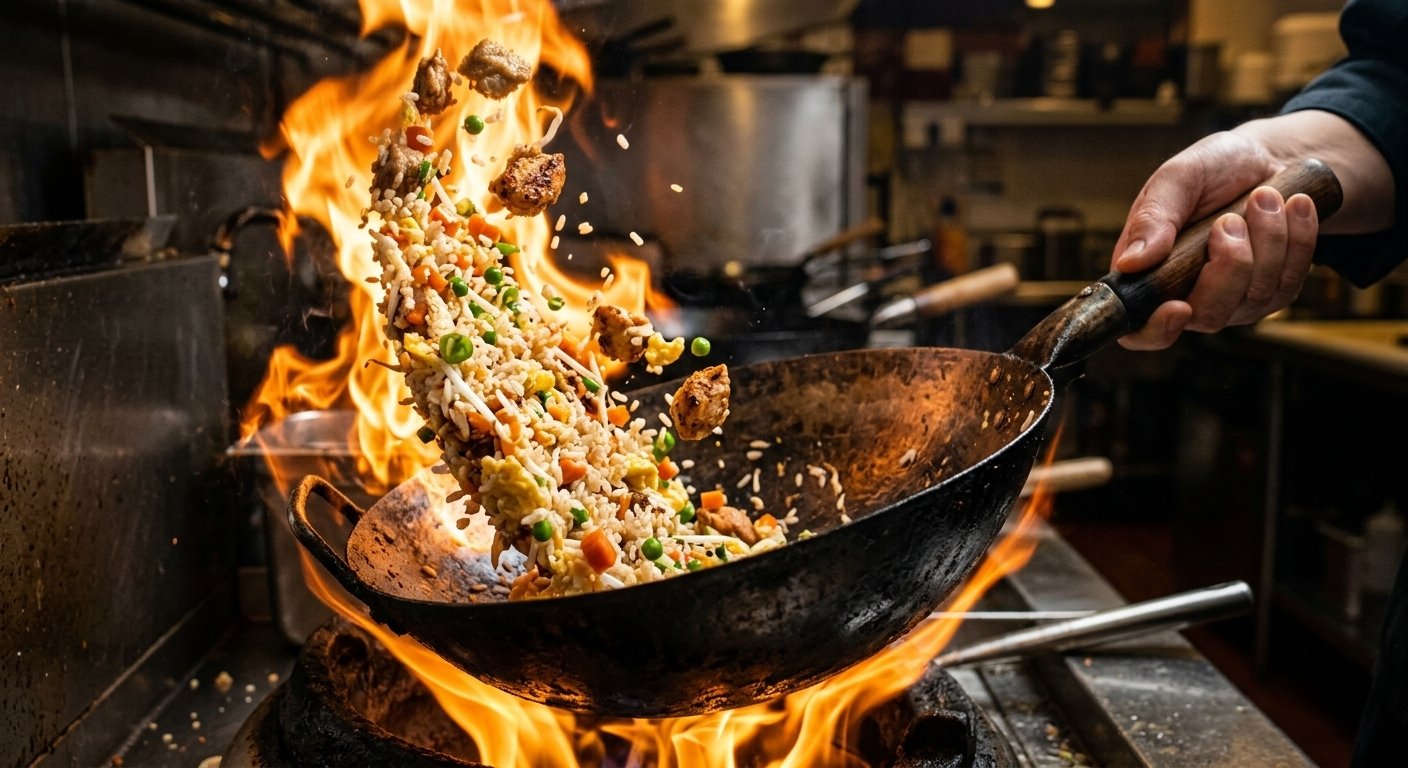
Rice is the beating heart of Chinese cuisine. Known as mǐfàn (米饭) in Mandarin, it is far more than a simple side dish or a filler component—it is the foundation around which entire meals, culinary traditions, and family gatherings are built. From the busy street vendors of Guangzhou to high-end dim sum parlors in Hong Kong, rice forms the canvas for a rich tapestry of flavors, textures, and cooking techniques.
Whether you are looking to recreate the smoky, fragrant perfection of restaurant-style fried rice, master the comforting warmth of a slow-simmered claypot meal, or understand the scientific nuances of cooking the ideal grain, this comprehensive guide covers everything you need to know about Chinese rice recipes.
1. The Cultural Significance of Chinese Rice Recipes
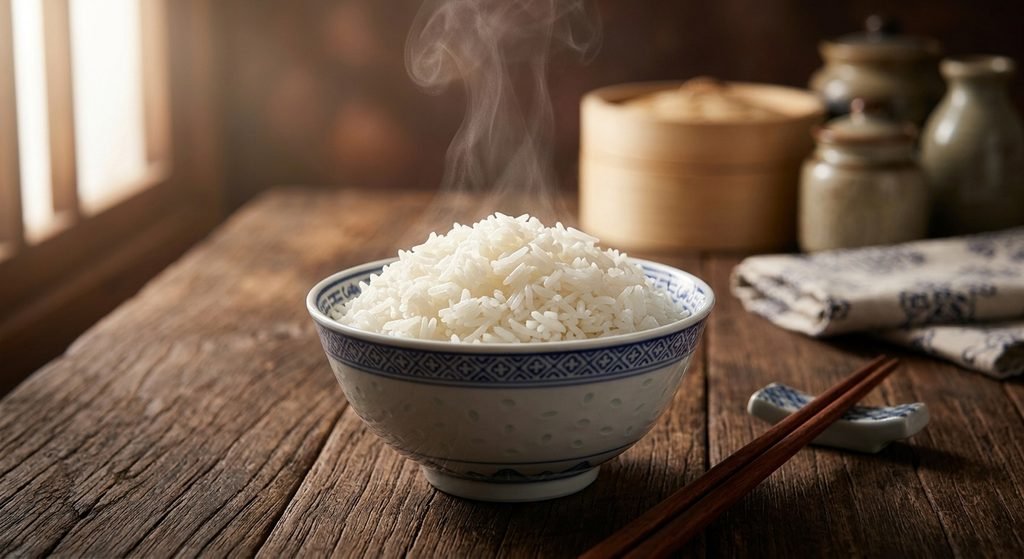
In Chinese culture, the greeting “Chī fàn le ma?” translates literally to “Have you eaten rice yet?” This simple phrase demonstrates how deeply rice is woven into daily life and heritage.
From a culinary standpoint, rice serves two crucial roles:
- The Flavor Neutralizer: It balances the strong, bold, salty, and spicy flavors of stir-fries, braised meats, and rich sauces.
- The Textural Anchor: Properly cooked rice provides a satisfying, chewy, or tender contrast to crispy vegetables and succulent meats.
Understanding the Grain Starch Composition
To master Chinese rice cooking, you must understand two key starch molecules found in rice grains:
- Amylose: Long-grain varieties (like Jasmine) contain higher levels of amylose. This starch structure keeps the grains firm, distinct, and fluffy after cooking, making long-grain rice the undisputed king of fried rice dishes Chinese food recipes .
- Amylopectin: Short-grain and glutinous rice varieties contain high levels of amylopectin. This creates a sticky, gelatinous texture when exposed to hot water, making it ideal for rice cakes, zongzi (bamboo-wrapped dumplings), and sticky rice bowls.
2. Choosing the Right Rice & Essential Ingredients
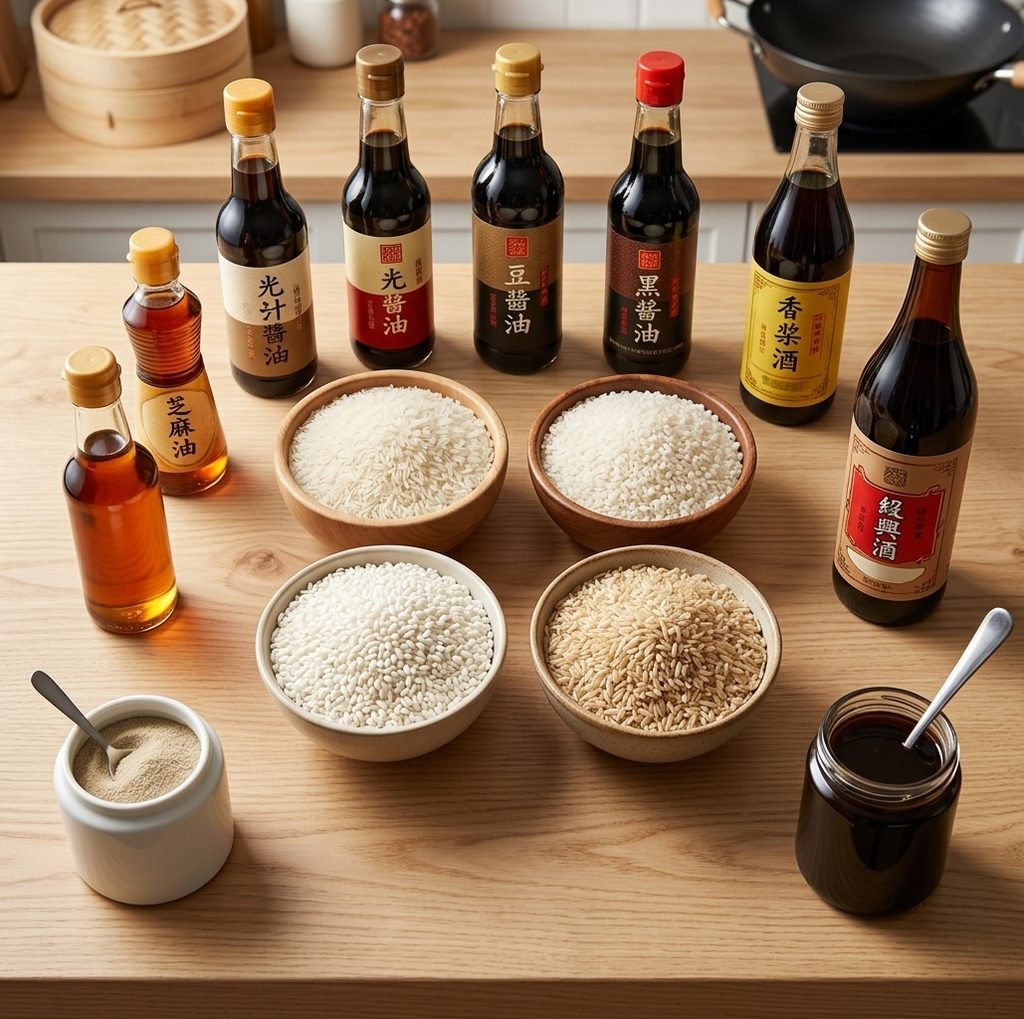
Using the wrong type of rice is the primary reason homemade Chinese dishes fall short of restaurant standards. Here is a breakdown of the essential grains and pantry staples you need.
The Grain Matrix
- Jasmine Rice (Fragrant Long-Grain): The gold standard for everyday meals and stir-fried rice. It yields aromatic, individual grains that hold their structure without becoming mushy.
- Medium-Grain White Rice: Commonly used in northern regions of China. It offers a slightly tender, stickier bite than long-grain rice while remaining versatile.
- Glutinous / Sticky Rice (Nuòmǐ): High in amylopectin, this sweet rice becomes sticky and opaque when steamed. Used primarily for dim sum delicacies and festive meals.
- Brown Jasmine Rice: A whole-grain alternative with a nutty flavor and firm texture. Requires additional water and cooking time.
Essential Pantry Sauces & Seasonings
To unlock authentic flavors, keep these traditional condiments stocked in your kitchen:
- Light Soy Sauce (Sheng Chou): Provides essential saltiness, umami, and flavor enhancement without darkening the rice excessively.
- Dark Soy Sauce (Lao Chou): Thicker and slightly sweet, used primarily to impart a deep, mahogany color to fried rice dishes.
- Toasted Sesame Oil: Added at the very end of cooking to deliver a rich, nutty aroma.
- Shaoxing Rice Wine: Adds depth, cuts through gamey meat flavors, and provides a signature savory undertone.
- White Pepper Powder: Preferred over black pepper for its sharp, floral heat that blends seamlessly into pale rice dishes.
- Oyster Sauce: Rich and savory, ideal for drizzling over steamed rice or incorporating into savory stir-fries.“Chinese fried rice is one of the easiest ways to turn leftover cooked rice into a flavorful meal.”
3. The Golden Rules of Cooking & Storing Rice
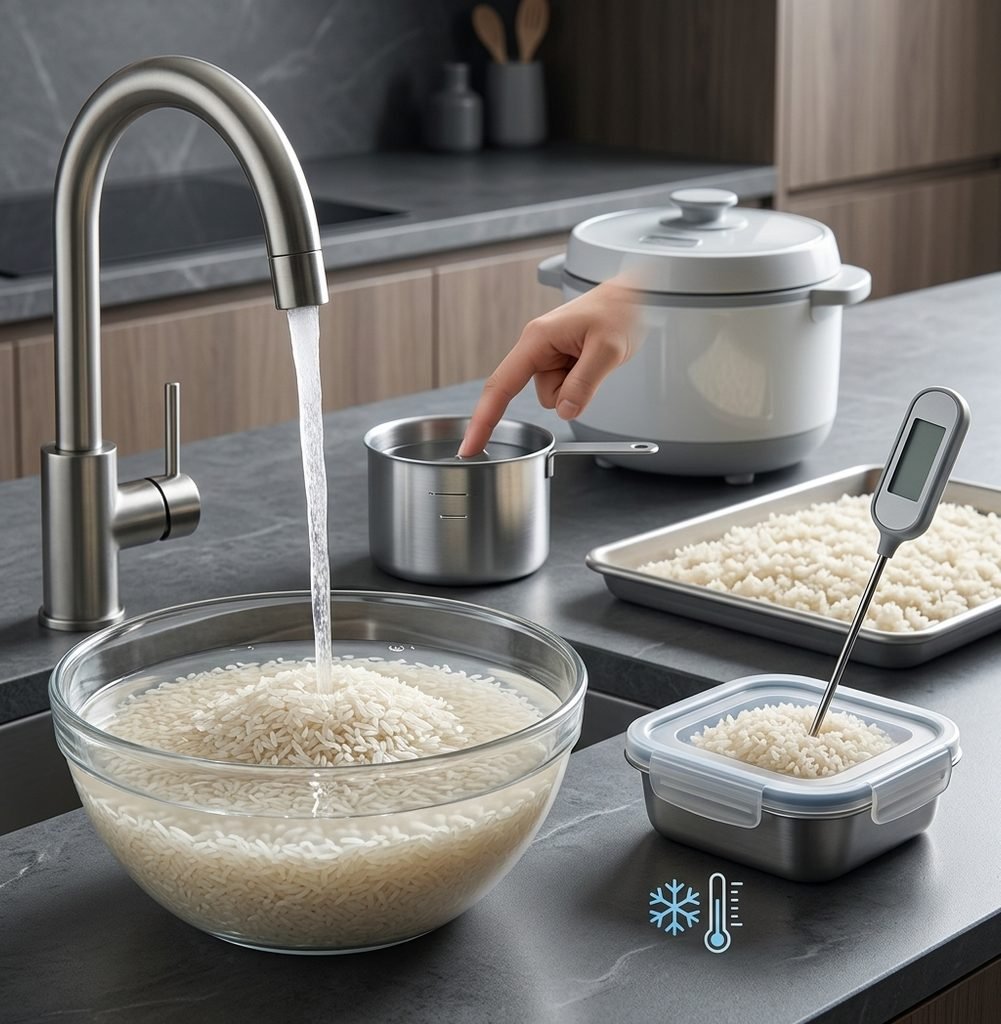
Achieving perfect rice requires precision during prep work and storage. Follow these four fundamental principles:
Rule 1: Always Wash Your Rice
Rinse the raw rice grains under cold running water 3 to 4 times until the water runs almost clear. This step removes excess surface starch that causes rice to turn gummy and clumpy when cooked.
Rule 2: Master the Water Ratio
- Stovetop Pot / Rice Cooker: Use a 1 : 1.25 ratio of jasmine rice to water.
- The Traditional Finger Test: Rest your index finger on top of the leveled rice inside the pot; add water until it reaches the first knuckle line of your finger.
Rule 3: The Day-Old Rule for Fried Rice (Crucial)
Never use freshly cooked, hot rice for making fried rice. Fresh rice retains high moisture levels; when added to a hot wok, it steams rather than fries, resulting in a soggy texture.
The Solution: Cook your rice a day in advance. Spread it on a baking sheet to cool, then cover and refrigerate overnight. The cold air dehydrates the grains, allowing them to separate effortlessly in the wok.
Rule 4: Food Safety & Reheating
Cooked rice is susceptible to Bacillus cereus bacteria if left at room temperature for prolonged periods.
- Cool cooked rice within 1 hour and refrigerate immediately.
- Consume refrigerated rice within 3 to 4 days.
- When reheating, ensure the rice reaches an internal temperature of 165°F (74°C) throughout.
4. Classic & Legendary Chinese Fried Rice Recipes
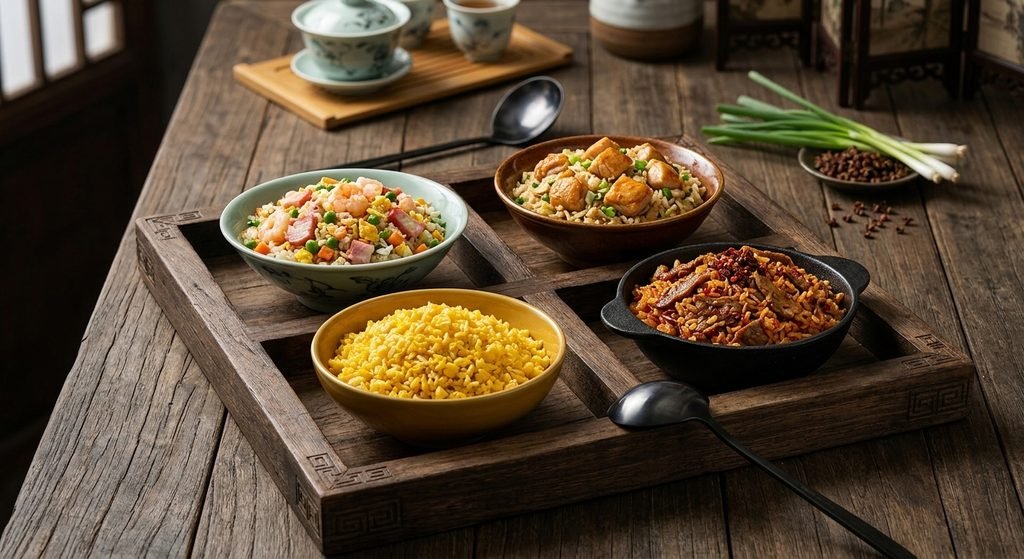
Fried rice (Chǎofàn) was originally created in ancient China as a clever, delicious method to reduce food waste by utilizing leftover rice, meats, and vegetables.
1. Classic Yangzhou Fried Rice (揚州炒飯)
Hailing from Jiangsu province, Yangzhou fried rice is the benchmark of Chinese culinary skill. It is distinguished by its vibrant colors and balanced combination of seafood and roasted meats.
- Primary Ingredients: Day-old Jasmine rice, char siu (BBQ pork), small peeled shrimp, green peas, diced carrots, scrambled eggs, scallions.
- Flavor Profile: Light, savory, elegant, and non-greasy.
- Cooking Method: High-heat wok toss where eggs coat the grains lightly before meats and vegetables are combined.
2. Traditional Chicken Fried Rice
A staple across global Chinese menus, this dish relies on proper meat tenderization to deliver juicy chicken chunks alongside fragrant, seasoned rice.
- Primary Ingredients: Diced chicken breast or thigh, day-old rice, eggs, soy sauce, garlic, ginger, spring onions, sesame oil.
- Tenderization Secret (Velveting): Marinate the raw diced chicken in light soy sauce, Shaoxing wine, cornstarch, and a splash of oil for 15 minutes before stir-frying.
3. Golden Egg Fried Rice (Jīn Chǎofàn)
An elegant technique where egg yolks are mixed directly into cold rice before cooking, coating every grain in a rich, golden layer.
- Primary Ingredients: Day-old rice, egg yolks, egg whites (fried separately), finely sliced scallions, white pepper, sea salt.
- Key Feature: Visually striking with a uniform golden yellow hue and a rich, subtle flavor profile.
4. Spicy Sichuan Beef Fried Rice
For lovers of bold, spicy flavors, this southwestern variation incorporates aromatic spices and chili heat.
- Primary Ingredients: Thinly sliced marinated beef, cold rice, Sichuan chili crisp, doubled-fermented broad bean paste (Doubanjiang), garlic, crushed Sichuan peppercorns.
- Flavor Profile: Spicy, numbing (Málà), savory, and deeply aromatic.
5. Regional & Specialty Rice Dishes
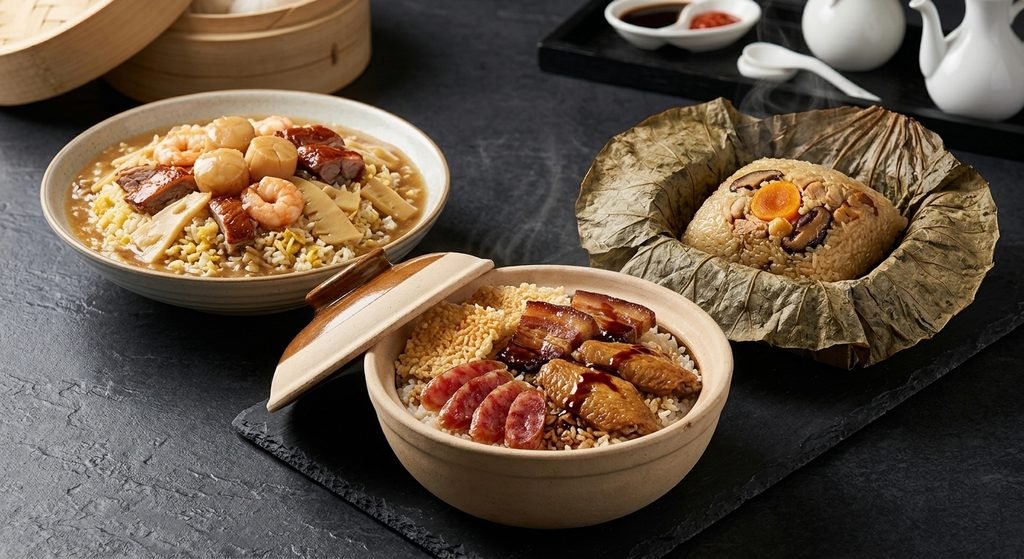
Beyond standard stir-fried variations, Chinese regional cuisine features incredible diversity in how rice is cooked and presented.
Hong Kong Claypot Rice (Bāo Zǎi Fàn)
Cooked over charcoal in traditional unglazed clay pots, this Cantonese specialty features rice cooked alongside cured meats, absorbing their rich oils.
- Highlights: The signature element is Guōbā—the crispy, golden, caramelized layer of rice formed at the bottom of the clay pot.
- Toppings: Chinese sausage (Lap Cheong), liver sausage, cured pork belly, and marinated chicken wings, finished with a sweet soy pouring sauce.
Lotus Leaf Sticky Rice (Lo Mai Gai)
A classic Dim Sum highlight featuring glutinous rice infused with the earthy aroma of dried lotus leaves.
- Structure: Sticky rice wrapped around a rich filling of chicken, dried shiitake mushrooms, salted egg yolk, and Chinese sausage, then steamed for hours.For detailed nutritional information about different types of rice, see the USDA FoodData Central
Fujian Seafood Fried Rice
Unlike dry fried rice, Fujian fried rice features a bed of egg fried rice smothered in a thick, savory seafood and vegetable gravy.
- Toppings: Braised scallops, shrimp, roast duck pieces, shiitake mushrooms, and bamboo shoots simmered in a rich chicken stock gravy.
6. Mastering Wok Hei & Cooking Equipment
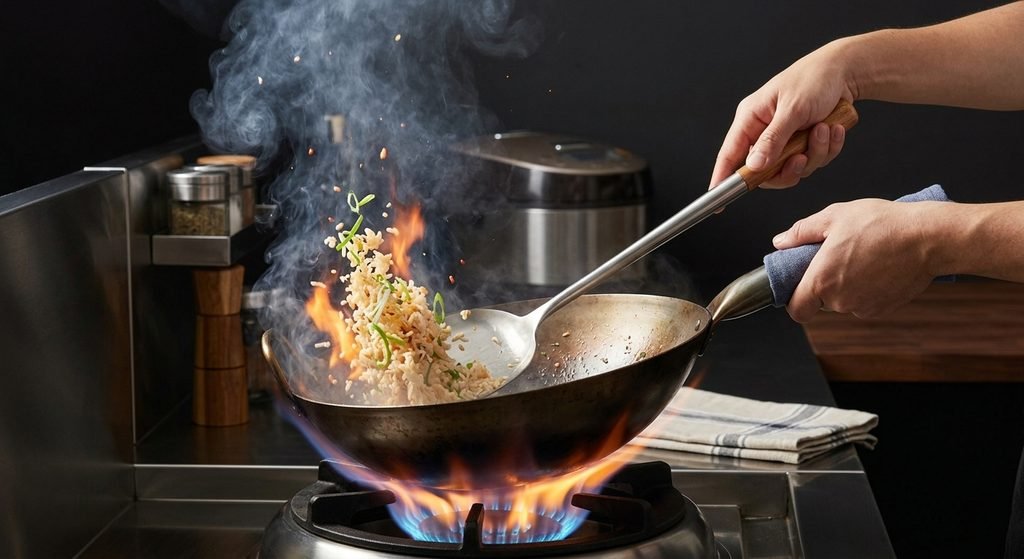
The secret behind authentic restaurant-style fried rice is Wok Hei (鑊氣), which translates to “The Breath of the Wok.” It refers to the complex smoky, charred flavor created when fine oil droplets vaporize over extreme heat inside a traditional carbon steel wok.
Recommended Equipment Breakdown
| Equipment | Ideal Material | Why It Matters |
| Wok | Carbon Steel (14-inch) | Heats up rapidly, responds instantly to temperature adjustments, and creates authentic Wok Hei. |
| Rice Cooker | Thermal / Induction | Ensures consistent grain moisture without burning or undercooking the base. |
| Wok Spatula (Chuan) | Stainless Steel with Wooden Handle | Shaped perfectly to match the wok curve for high-speed tossing without crushing grains. |
Steps to Achieve Wok Hei at Home
- Preheat the Wok: Heat your carbon steel wok until it smokes lightly before adding oil.
- Oil the Sides (Long Yau): Swirl high-smoke-point oil (peanut or canola) around the sides of the hot wok to create a non-stick cooking layer.
- Cook in Batches: Avoid overcrowding the pan. Overcrowding drops the temperature rapidly, causing ingredients to steam instead of fry.
- Keep It Moving: Use swift, sweeping tossing movements to keep the rice floating through the rising heat.
7. Step-by-Step Step Recipe: Restaurant-Style Chicken Fried Rice
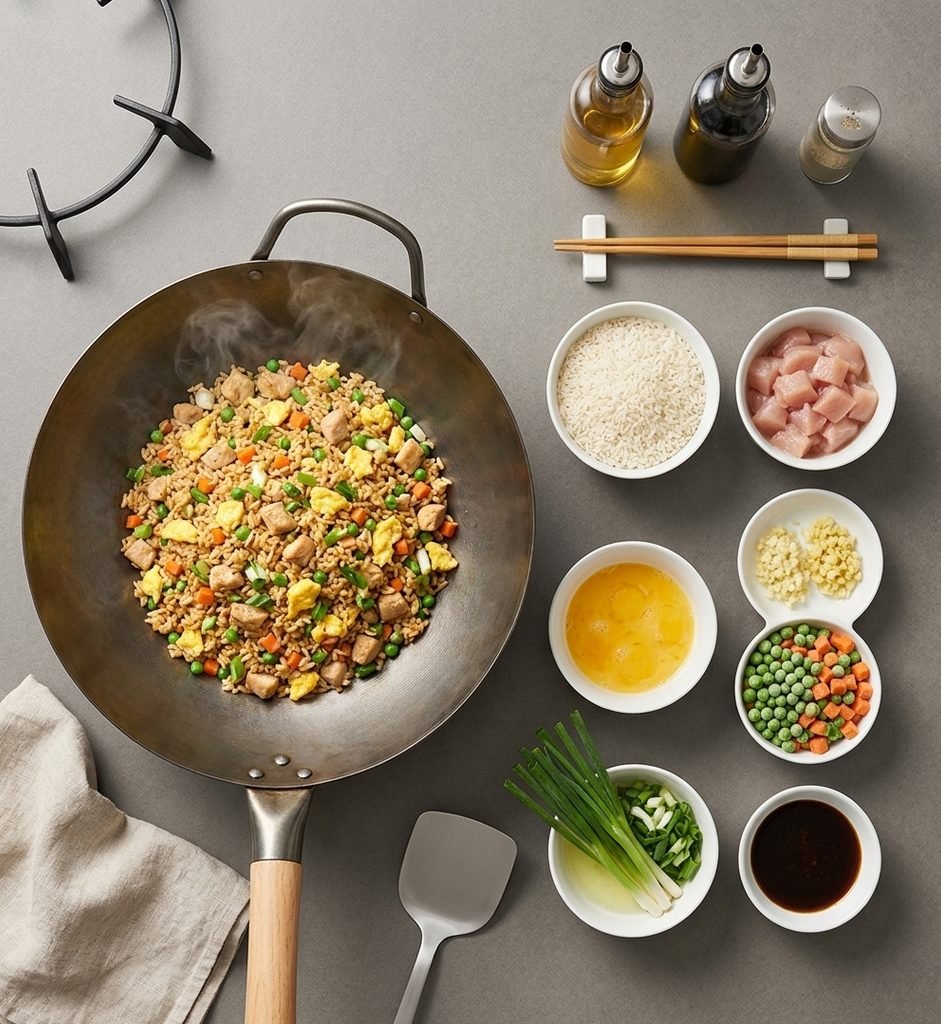
Follow this fail-proof recipe to cook incredible fried rice at home in under 20 minutes.
Ingredients Checklist
- 4 cups Day-old cooked Jasmine rice (chilled)
- 200g Chicken breast (diced into 1/2-inch cubes)
- 2 large Eggs (beaten)
- 3 cloves Garlic (minced)
- 1 tsp Fresh ginger (minced)
- 1/2 cup Frozen peas and diced carrots (thawed)
- 3 stalks Green onions (chopped, whites and greens separated)
Sauce Mixture:
- 2 tbsp Light soy sauce
- 1 tbsp Dark soy sauce
- 1 tbsp Oyster sauce
- 1/2 tsp Sesame oil
- 1/4 tsp White pepper powder
Cooking Instructions
- Velvet the Chicken: Mix diced chicken with 1 tsp soy sauce, 1 tsp cornstarch, and 1 tsp oil. Set aside for 10–15 minutes.
- Mix Sauce: Combine all sauce ingredients in a small bowl.
- Sear the Meat: Heat 1 tbsp oil in a wok over high heat. Add the chicken and stir-fry for 3–4 minutes until fully cooked and lightly browned. Remove chicken and set aside.
- Scramble Eggs: Pour 1 tbsp oil into the wok. Add beaten eggs; swirl quickly for 30 seconds until soft curds form. Remove and set aside with chicken.
- Aromatics & Rice: Add 1 tbsp oil to the hot wok. Throw in minced garlic, ginger, and the white parts of green onions. Stir-fry for 10 seconds until fragrant. Immediately add cold rice.
- Break Up Grains: Use your spatula to press and break up cold rice clumps. Toss continuously for 2 to 3 minutes until the grains are hot and steaming.
- Combine & Season: Return cooked chicken, eggs, peas, and carrots to the wok. Drizzle the prepared sauce evenly over the rice.
- Final High-Heat Toss: Toss everything vigorously over high heat for 1–2 minutes until every grain is evenly coated in sauce. Stir in sliced green onion tops and serve immediately!
8. Troubleshooting Common Cooking Mistakes
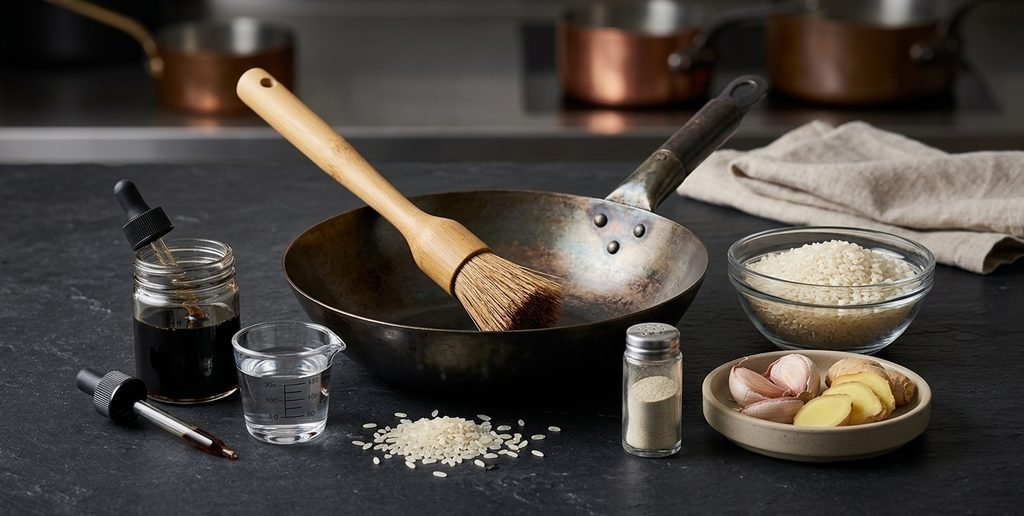
If your rice dish didn’t turn out as expected, consult this troubleshooting chart:
| Problem | Root Cause | Solution for Next Time |
| Soggy / Mushy Fried Rice | Used fresh hot rice or added too much liquid sauce. | Use day-old chilled rice and reduce wet seasonings. |
| Grains are Hard & Dry | Undercooked initial rice or lost too much moisture. | Sprinkle 1–2 tbsp of water over the rice, cover with a lid for 1 minute to steam. |
| Rice Sticks to Wok | Wok was not preheated properly or lacked oil. | Perform the Long Yau technique (heat wok until smoking before adding oil). |
| Bland Taste | Lack of aromatics or insufficient salt/soy sauce balance. | Increase garlic, ginger, and use a pinch of white pepper powder. |
9. Frequently Asked Questions (FAQs)
Q: Can I use fresh rice if I don’t have day-old rice?
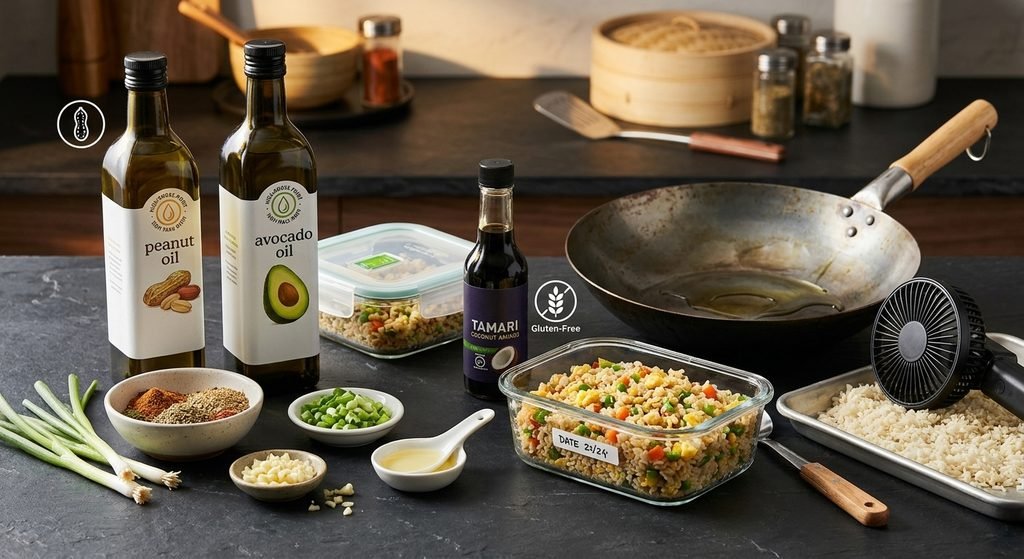
A: Yes! Spread freshly cooked hot rice onto a large baking sheet and place it under a blowing fan for 20 minutes, or put it uncovered in the freezer for 15–20 minutes to evaporate surface moisture rapidly.
Q: Is Chinese fried rice gluten-free?
A: Traditional fried rice containing standard soy sauce is not gluten-free. To make it gluten-free, substitute standard light and dark soy sauces with Tamari or certified gluten-free coconut aminos.
Q: What is the best oil for stir-frying rice?
A: Neutral oils with high smoke points are best, such as peanut oil, canola oil, avocado oil, or vegetable oil. Avoid extra virgin olive oil or butter as they burn at high wok temperatures.
Q: How long does leftover fried rice keep in the fridge?
A: Store leftover fried rice in an airtight container in the refrigerator for up to 3 days. Reheat thoroughly in a hot skillet or microwave before serving.Rice has played an important role in Chinese food traditions and regional cuisine. You can learn more about the history and diversity of Chinese cuisine from Britannica.
Explore More Asian Culinary Guides
Expand your home cooking skills with our other comprehensive pillar guides:
- Master classic noodles with our [Chinese Noodle Recipes Guide]
- Discover essential stir-fries and regional dishes in [Chinese Food Recipes]