

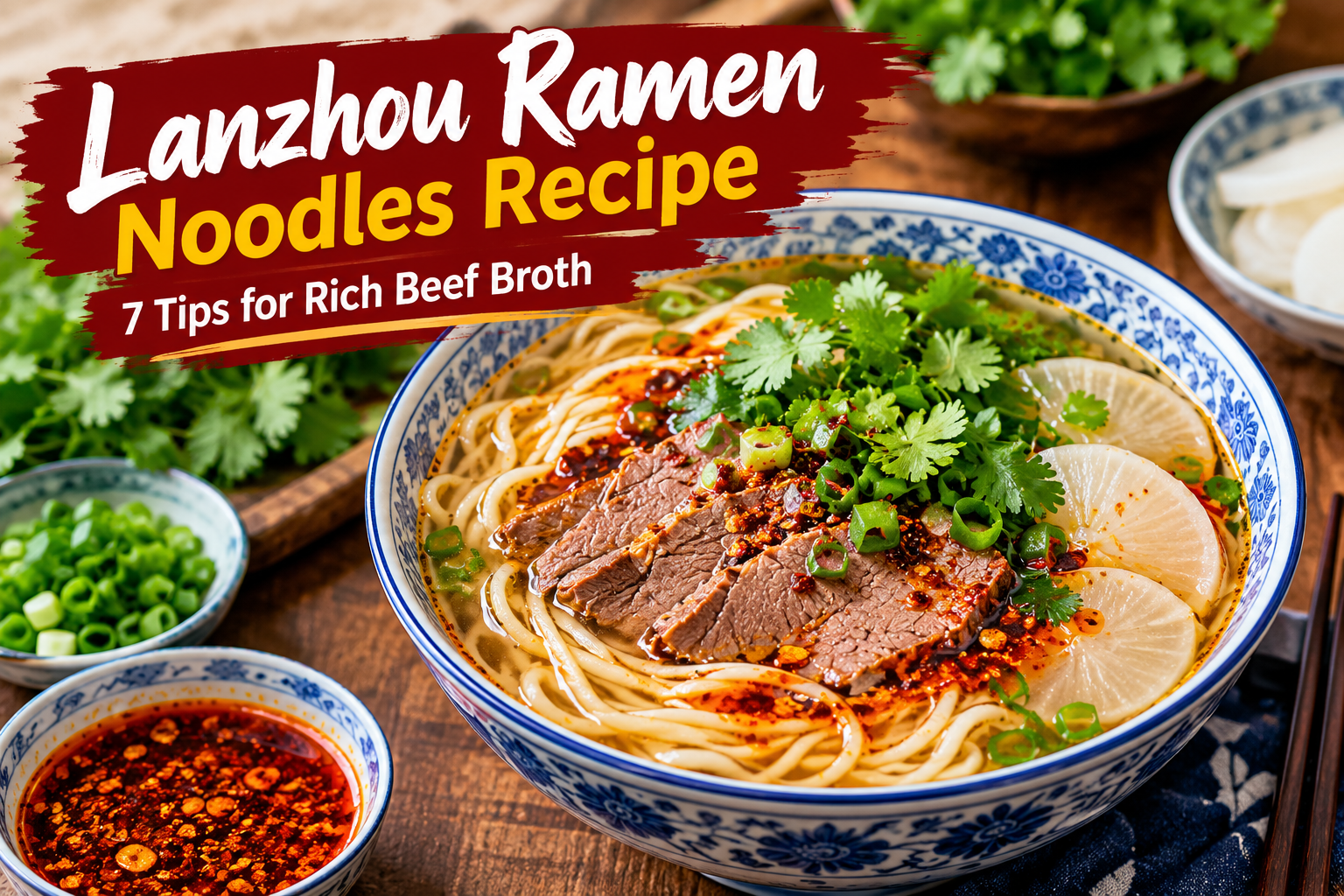
Lanzhou ramen noodles are one of the most famous noodle dishes in Chinese cuisine. Originating in Lanzhou, the capital of Gansu Province in northwestern China, this comforting dish is known for its hand-pulled noodles, flavorful beef broth, tender beef slices, fresh cilantro, scallions, and a touch of red chili oil.
The best part about making Lanzhou ramen noodles at home is that you can enjoy a warm, restaurant-style bowl without traveling to China. Although traditional Lanzhou ramen requires skill to stretch and pull the noodles by hand, you can make a delicious homemade version using fresh noodles, store-bought ramen noodles, or another suitable wheat noodle.
In this guide, you will learn how to prepare a rich beef broth, cook the noodles perfectly, assemble the bowl, and add the toppings that make this Chinese noodle soup so satisfying.
Whether you are new to Chinese cooking or already enjoy homemade Asian recipes, this Lanzhou ramen noodles recipe will help you create a flavorful meal for lunch or dinner.
What Is Lanzhou Ramen?
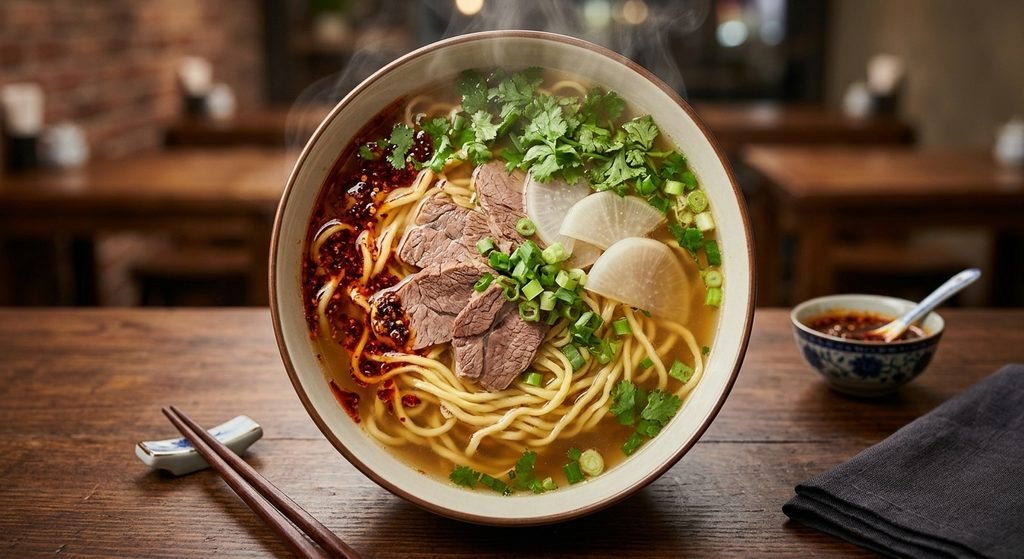
Lanzhou ramen, also called Lanzhou beef noodle soup, is a traditional Chinese dish associated with Lanzhou in Gansu Province. The name lamian refers to noodles made by stretching and pulling wheat-based dough.
Traditional Lanzhou beef noodle soup is often described by five important features: clear broth, white radish, red chili oil, green herbs, and yellow noodles. Together, these ingredients create a balanced bowl with rich beef flavor, fresh aromas, and a satisfying texture.
Unlike many Japanese ramen dishes, Lanzhou ramen has its own Chinese culinary tradition. The broth is generally beef-based, and the noodles are usually wheat noodles rather than noodles made with egg Chinese Fried Chicken Recipe.
A homemade version can preserve these characteristic flavors while simplifying the noodle-making process.
Why You Will Love This Lanzhou Ramen Noodles Recipe
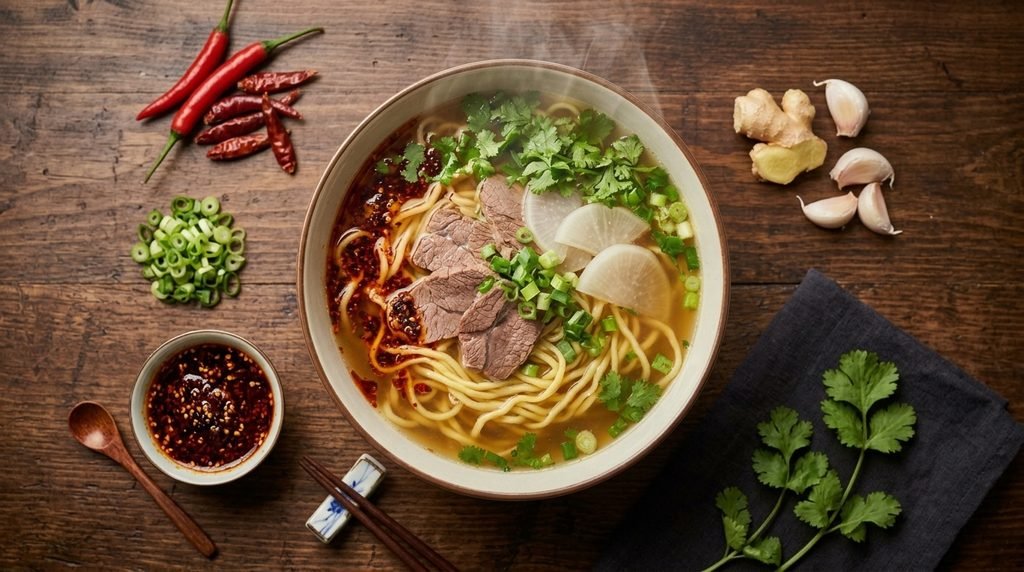
- Rich and savory broth: Beef, ginger, garlic, and warm spices create a deeply satisfying soup.
- Fresh and flavorful toppings: Cilantro, scallions, radish, and chili oil brighten every bite.
- Flexible noodle options: Use handmade noodles or convenient fresh or dried wheat noodles.
- Customizable heat: Add more or less chili oil depending on your preference.
- Great for a comforting meal: A warm bowl is perfect for a chilly evening or a satisfying weekend lunch.
- Easy to prepare in stages: Make the broth ahead of time and cook the noodles shortly before serving.
Recipe Overview
- Prep time: 25 minutes
- Cook time: 2 hours 15 minutes to 3 hours
- Total time: Approximately 2 hours 40 minutes to 3 hours 25 minutes
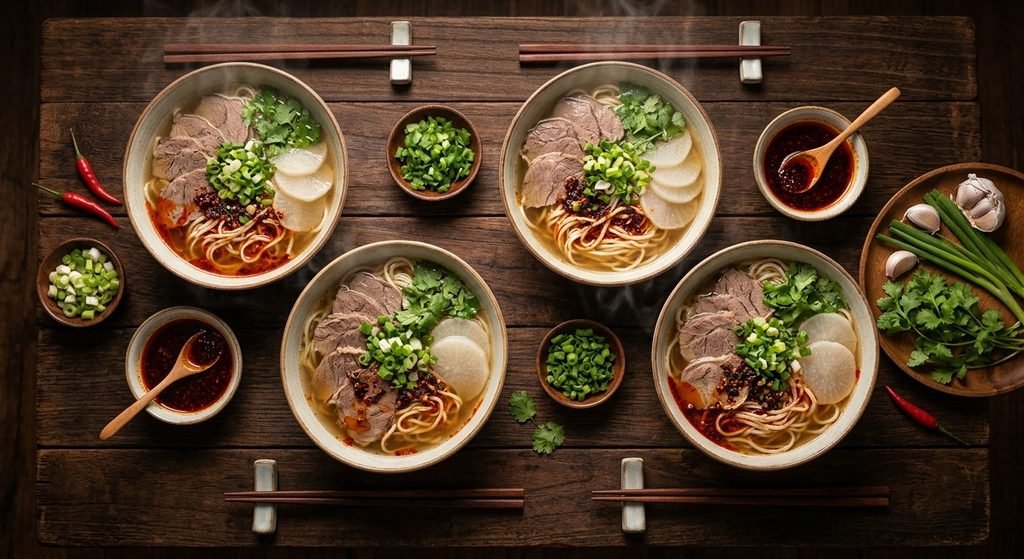
- Servings: 4
- Cuisine: Chinese
- Course: Main course
- Difficulty: Intermediate
These times assume you are using ready-made noodles. Preparing traditional hand-pulled noodles from scratch requires additional time and practice.
Ingredients for Lanzhou Ramen Noodles
The following ingredients make approximately four generous bowls of beef noodle soup.
For the Beef Broth
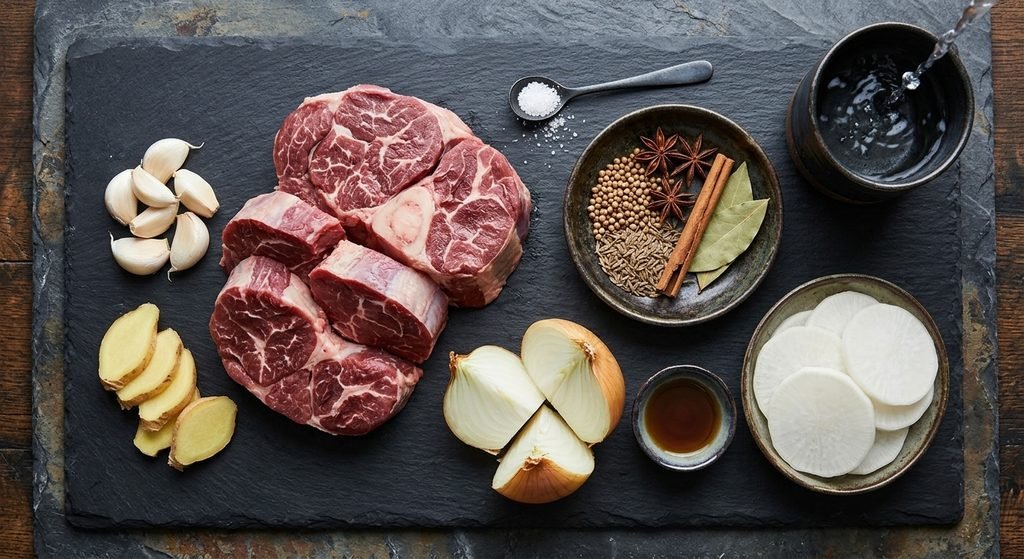
- 1.5 pounds beef shank or beef stew meat, cut into large pieces
- 8 cups water, plus more as needed
- 1 medium yellow onion, quartered
- 4 garlic cloves, lightly crushed
- 1 piece fresh ginger, approximately 2 inches long, sliced
- 2 whole star anise
- 1 small cinnamon stick
- 1 teaspoon whole coriander seeds
- 1 teaspoon whole cumin seeds
- 1 bay leaf
- 1 tablespoon light soy sauce
- Salt, to taste
- 1 small white radish or daikon, peeled and thinly sliced
For the Noodles
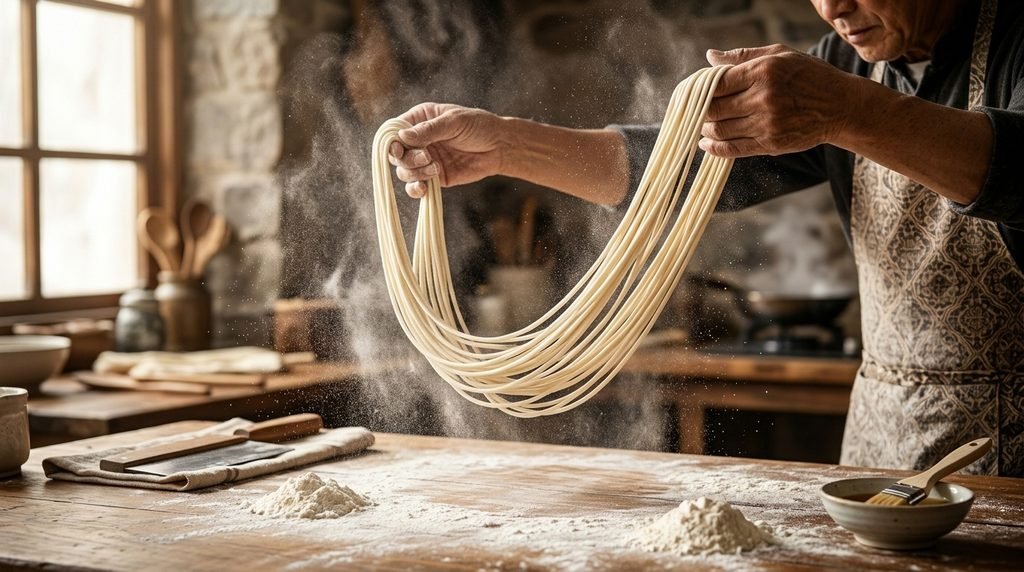
- 1 pound fresh Chinese wheat noodles or suitable ramen-style wheat noodles
- Water, for boiling
Fresh hand-pulled noodles are a great choice when available. If you are using dried noodles, follow the cooking instructions on the package.
For the Toppings
- 1 cup fresh cilantro, chopped
- 4 scallions, thinly sliced
- 2 to 4 tablespoons Chinese chili oil, to taste
- 1 teaspoon ground white pepper, optional
- Salt, as needed
- Additional warm broth, if needed
Optional Homemade Chili Oi
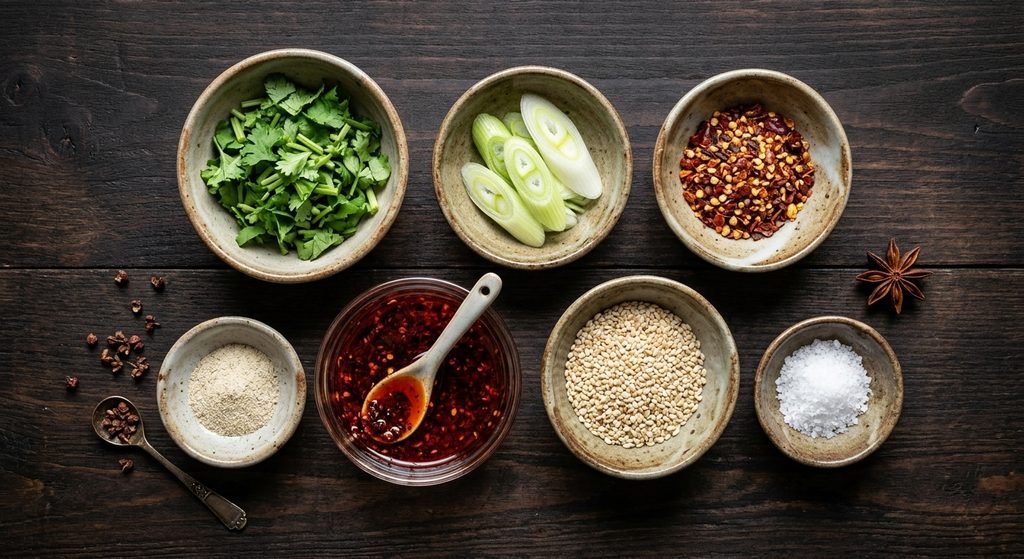
- 3 tablespoons neutral cooking oil
- 1 tablespoon Chinese chili flakes
- 1 teaspoon sesame seeds, optional
Use a heatproof bowl for the chili flakes. Heat the oil until hot but not smoking, carefully pour it over the flakes, and allow it to cool before using. Take care when handling hot oil.
How to Make Lanzhou Ramen Noodles
Step 1: Prepare the Beef
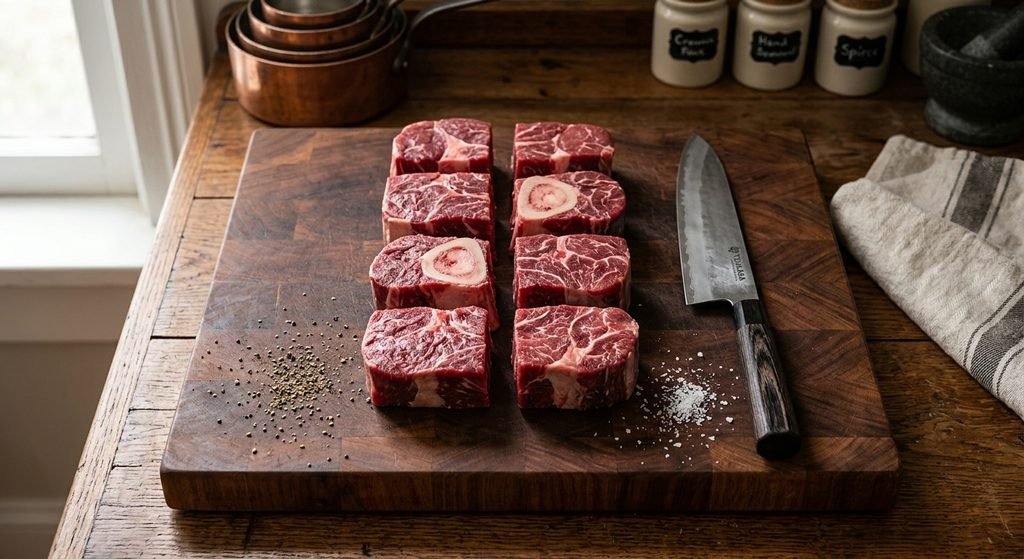
Rinse the beef briefly if needed and pat it dry. Cut it into large, evenly sized pieces so it cooks at a similar rate.
Place the beef in a large pot and cover it with water. Bring the water to a boil for a few minutes, then drain the beef and rinse the pot to remove the initial foam and impurities.
This optional blanching step helps produce a cleaner-tasting broth. Return the beef to the clean pot.
Step 2: Build the Aromatic Beef Broth
Add 8 cups of fresh water to the pot with the beef. Add the onion, garlic, ginger, star anise, cinnamon, coriander seeds, cumin seeds, and bay leaf.
Bring the liquid to a gentle boil, then lower the heat until it simmers. Skim away any foam that appears on the surface.
Cover partially and simmer for approximately 2 to 2½ hours, or until the beef becomes tender. The exact cooking time depends on the cut and size of the meat.
Avoid boiling the broth aggressively. A gentle simmer helps keep the liquid cleaner and gives the beef time to soften.
Step 3: Season and Strain the Broth
When the beef is tender, carefully remove it from the pot and set it aside.
Strain the broth to remove the whole spices, ginger, garlic, and onion. Return the liquid to the pot and add the light soy sauce and salt to taste.
Slice the cooked beef into thin pieces once it is cool enough to handle.
Taste the broth before serving. It should be savory and aromatic without being excessively salty or dominated by one spice.
Step 4: Cook the White Radish
Add the sliced white radish to the strained broth. Simmer for approximately 10–15 minutes, or until the radish becomes tender but does not fall apart.
White radish adds a mild sweetness and is a characteristic ingredient in Lanzhou beef noodle soup.
If the broth has reduced too much, add a little hot water and adjust the seasoning again.
Step 5: Boil the Noodles
Bring a separate large pot of water to a boil.
Add the noodles and cook them according to the package instructions. Fresh noodles may cook in just a few minutes, while dried varieties can take longer.
Stir gently to prevent the noodles from sticking together. Once they are tender but still slightly firm, drain them promptly.
Avoid cooking the noodles directly in the main broth. Separate cooking keeps the soup cleaner and makes it easier to control the noodle texture.
Step 6: Assemble the Bowls
Divide the cooked noodles among four deep serving bowls.
Arrange thin slices of beef over each portion. Add several pieces of cooked white radish, followed by chopped cilantro and sliced scallions.
Ladle the hot beef broth over the noodles until they are comfortably covered.
For the classic Lanzhou-style appearance, keep the green herbs, pale radish, and red chili oil visible on the surface.
Step 7: Add Chili Oil and Serve
Drizzle chili oil over each bowl according to taste. Add a small pinch of white pepper if desired.
Serve immediately while the broth is hot and the noodles retain their texture.
Mix the toppings into the soup before eating so that the beef, noodles, broth, and herbs come together in every spoonful.
7 Tips for Rich, Restaurant-Style Lanzhou Ramen
1. Choose the Right Cut of Beef
Beef shank is an excellent choice because it develops a rich flavor and becomes tender during slow cooking. Beef stew meat can also work well.
Cuts with connective tissue generally benefit from longer simmering. Avoid relying only on very lean, quick-cooking cuts if you want tender beef after several hours.
2. Keep the Broth at a Gentle Simmer
A rapid boil can make the broth cloudy and cause the meat to cook unevenly.
After bringing the liquid to a boil, reduce the heat and maintain a gentle simmer. Skim off foam when necessary and add hot water if too much liquid evaporates.
3. Use Whole Spices Carefully
Star anise, cinnamon, coriander, and cumin provide warmth and complexity. However, too much spice can overwhelm the beef.
Measure the spices rather than adding large amounts by guesswork. You can adjust the blend after tasting your first batch.
4. Do Not Overcook the Noodles
Noodles continue absorbing liquid after they enter the bowl. Cook them until tender but still slightly firm, then drain them immediately.
If you plan to serve the soup later, keep the noodles separate from the broth until serving time.
5. Never Skip the Fresh Herbs
Cilantro and scallions provide freshness that balances the rich broth. Add them just before serving to preserve their aroma and color.
For a different flavor, add a little extra scallion, but avoid replacing all the traditional herbs with strong seasonings.
6. Adjust Chili Oil at the Table
Not everyone enjoys the same level of heat. Start with a small drizzle of chili oil and let each person add more as desired.
This is especially useful when serving families or guests with different spice preferences.
7. Prepare the Broth Ahead of Time
The broth can be made a day in advance and refrigerated after it has been cooled safely in shallow containers.
Reheat it thoroughly before serving, and cook fresh noodles separately. Preparing the broth ahead can make dinner much easier on a busy day.
Can You Make Traditional Lanzhou Hand-Pulled Noodles at Home?
Yes, but traditional hand-pulled noodles require more technique than ordinary homemade pasta.
The dough is usually made with wheat flour, water, salt, and carefully controlled kneading and resting. Depending on the recipe and method, a suitable dough may also require a noodle-making additive to improve stretch and elasticity.
The dough must develop enough elasticity to stretch into long, thin strands without breaking. Repeated stretching and folding take practice, and traditional methods can be challenging for beginners.
For a first attempt, use fresh Chinese wheat noodles from an Asian grocery store. Once you are comfortable preparing the broth and toppings, you can experiment with handmade lamian.
Remember that using packaged noodles creates a convenient homemade adaptation rather than a fully traditional hand-pulled version.
Common Mistakes to Avoid
Using too much seasoning: Excessive star anise or cinnamon can overpower the natural flavor of the beef.
Cooking noodles in the broth: Starch released by the noodles can cloud the soup and change its consistency.
Serving tough beef: If the meat is still chewy, continue simmering until it becomes tender rather than simply increasing the heat.
Adding herbs too early: Long cooking removes the fresh aroma of cilantro and scallions. Add them just before serving.
Making the broth too salty: The liquid reduces as it simmers, concentrating salt. Season gradually and taste near the end.
Preparing everything too far in advance: Cooked noodles can become soft when left sitting in hot broth. Keep components separate until you are ready to eat.
What to Serve with Lanzhou Ramen
Lanzhou beef noodle soup is a complete meal, but a few simple sides can make it even more enjoyable.
- Chinese cucumber salad: A refreshing side with garlic, vinegar, and a little sesame oil.
- Steamed vegetables: Bok choy, broccoli, or other greens provide color and texture.
- Chinese scallion pancakes: Crispy pancakes make a satisfying accompaniment.
- Light stir-fried vegetables: A simple vegetable dish adds variety without making the meal too heavy.
Choose one or two sides rather than serving too many dishes. The broth and noodles should remain the centerpiece of the meal.
How to Store and Reheat Leftovers
Allow the broth and beef to cool safely, then refrigerate them in covered containers. Refrigerate perishable food within two hours of cooking, or within one hour when the temperature is above 90°F.
For best quality, store the noodles separately from the broth. Cooked noodles tend to absorb liquid and soften when stored in soup.
Refrigerated cooked beef and broth should generally be used within 3–4 days. Reheat leftovers to 165°F, or 74°C, before serving.
You can also freeze the broth and beef in suitable freezer-safe containers. Thaw them in the refrigerator and reheat thoroughly. Freshly cooked noodles usually provide the best texture when added just before serving USDA Food Safety Guidelines.
Frequently Asked Questions
1. What are Lanzhou ramen noodles made of?
Traditional Lanzhou ramen uses wheat-based hand-pulled noodles, beef broth, beef, white radish, cilantro, scallions, and chili oil. The broth is typically flavored with ginger and a blend of aromatic spices.
2. Is Lanzhou ramen the same as Japanese ramen?
No. Lanzhou ramen comes from Chinese culinary traditions and is particularly associated with hand-pulled wheat noodles and clear beef broth. Japanese ramen has its own regional styles, broths, noodles, and toppings.
3. Can I use instant ramen noodles?
Yes. Instant noodles can be a convenient substitute, especially when you are learning to prepare the broth. Discard or reduce the included seasoning packet if it would make your soup too salty. The result will be a simplified homemade version rather than traditional Lanzhou lamian.
4. Can I make Lanzhou ramen without chili oil?
Absolutely. Chili oil is a characteristic topping, but you can leave it out or serve it separately. The beef broth, noodles, herbs, and radish will still create a flavorful bowl.
5. How do I make the broth more flavorful?
Use a suitable cut of beef, simmer it gently with aromatics, and give the meat enough time to become tender. Taste the broth before serving and adjust the salt gradually. Fresh herbs and a small amount of chili oil add another layer of flavor.
6. Can I make this recipe gluten-free?
Traditional wheat noodles contain gluten, and soy sauce may also contain wheat. A gluten-free adaptation requires certified gluten-free noodles and a suitable gluten-free seasoning alternative. The texture and overall result will differ from traditional Lanzhou ramen.
7. Is Lanzhou ramen spicy?
The broth itself does not have to be very spicy. Chili oil is often added as a topping, allowing each person to control the heat level.
8. Can I prepare Lanzhou beef broth in advance?
Yes. Make the broth and beef ahead of time, cool them safely, and refrigerate them separately from the noodles. Reheat the broth thoroughly and cook or reheat the noodles according to their storage and preparation instructions Chinese cuisine.
Final Thoughts
Lanzhou ramen noodles are a wonderful way to explore traditional Chinese flavors at home. The combination of tender beef, aromatic broth, wheat noodles, white radish, fresh cilantro, scallions, and chili oil creates a comforting meal with plenty of flavor and texture.
The key to a successful bowl is patience with the broth, properly cooked noodles, and fresh toppings added at the right time. You do not need to master traditional hand-pulling techniques on your first attempt. Start with good-quality wheat noodles, follow the steps, and build your skills as you become more confident.
Try this Lanzhou ramen noodles recipe for your next homemade Chinese dinner, and adjust the chili oil and seasonings to suit your taste. With practice, you can make a satisfying bowl that brings the flavors of northwestern China into your kitchen.
