

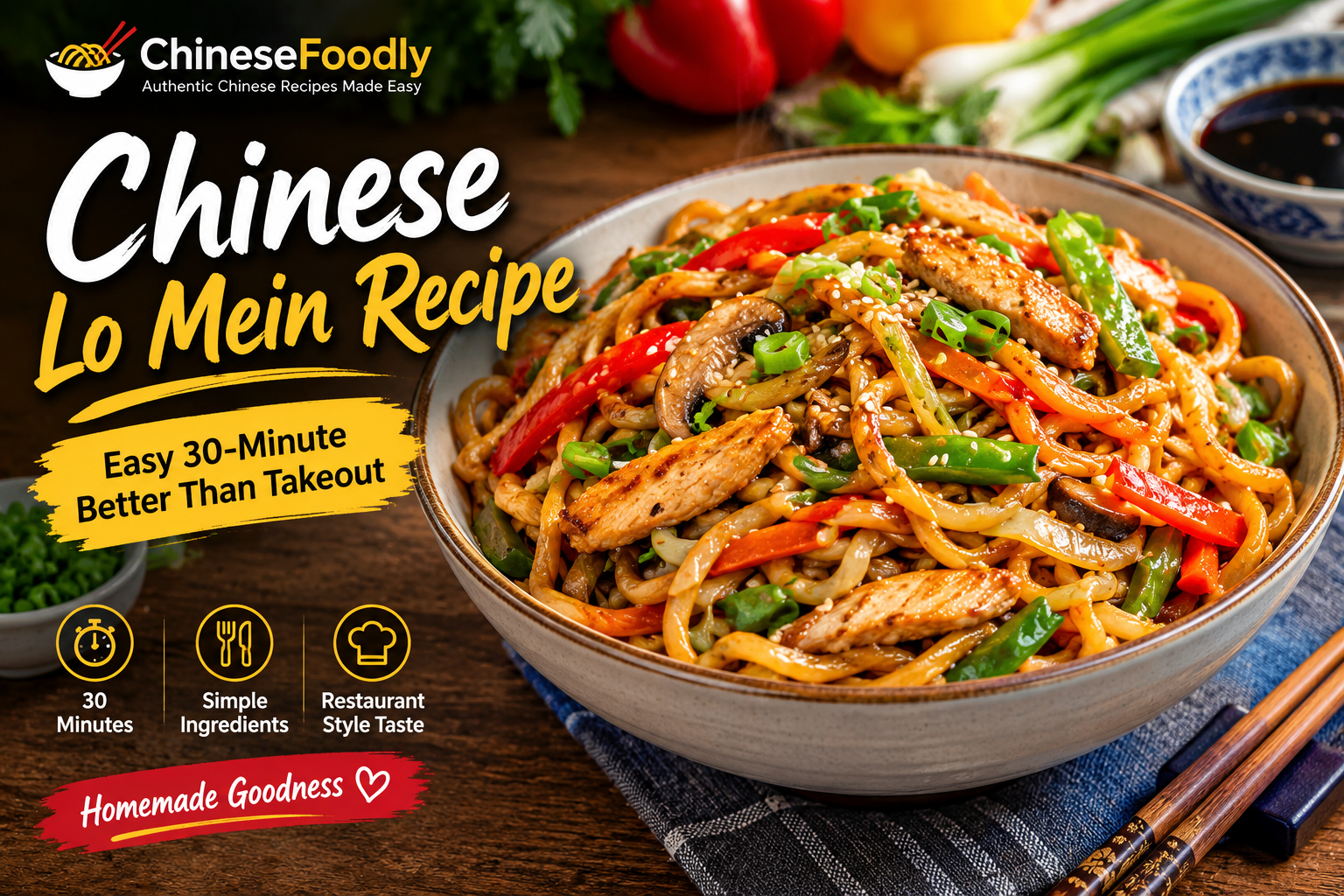
If you love Chinese takeout, this Chinese Lo Mein Recipe is one of the easiest dishes you can make at home. It combines soft, chewy noodles with colorful vegetables and a delicious savory sauce. The best part is that you can prepare this homemade lo mein in about 30 minutes using simple ingredients.
Lo mein is a popular Chinese-style noodle dish that is known for its flavorful sauce and satisfying texture. Unlike many complicated restaurant dishes, homemade lo mein is easy to customize. You can make it with vegetables, chicken, beef, shrimp, or simply keep it vegetarian.
This easy recipe is perfect for a quick weeknight dinner, family meal, or homemade takeout night. Once you learn the basic sauce and cooking method,Chinese Lo Mein Recipe you can create delicious lo mein whenever you want.
In this guide, you will learn how to make Chinese Lo Mein step by step, which noodles work best, how to prepare the sauce, how to keep the noodles from becoming soggy, and several tips for getting restaurant-style flavor at home.
What Is Lo Mein?
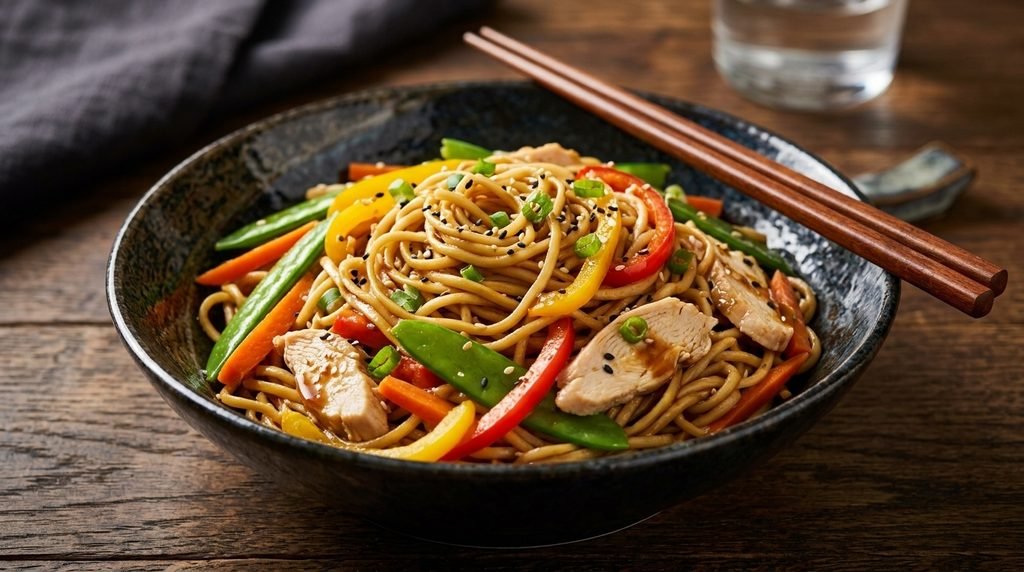
Lo mein is a Chinese noodle dish made by tossing cooked noodles with vegetables, protein, and a flavorful sauce. The noodles are usually soft and chewy, while the sauce gives the dish a rich, savory taste.
The word “lo mein” is commonly associated with tossed noodles. Chinese Lo Mein Recipe The dish is especially popular in Chinese-American restaurants, where it is often served with vegetables and different types of protein.If you enjoy homemade noodle dishes, try our Chinese Chicken Noodles Recipe for another easy takeout-style meal.
One reason lo mein is so popular is its versatility. You can use whatever vegetables you have available and easily change the protein according to your preference.
For example, you can make:
- Vegetable Lo Mein
- Chicken Lo Mein
- Beef Lo Mein
- Shrimp Lo Mein
- Tofu Lo Mein
This recipe gives you a simple base that can be customized for your family.
Why You’ll Love This Chinese Lo Mein Recipe
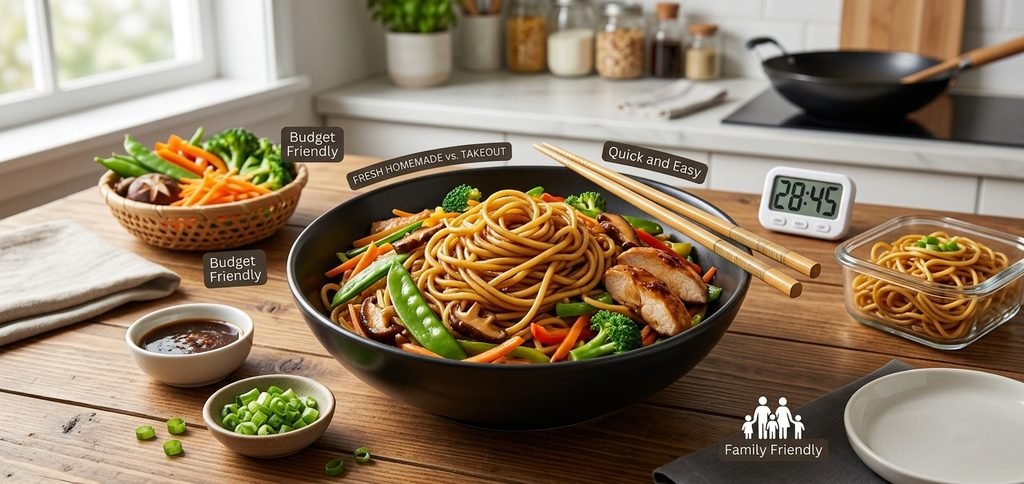
There are many reasons to make homemade lo mein instead of ordering takeout.
Quick and easy: The entire meal can be ready in around 30 minutes.
Budget-friendly: Most ingredients are inexpensive and easy to find.
Customizable: Add your favorite vegetables or protein.
Better than takeout: Fresh ingredients and homemade sauce give the noodles excellent flavor.
Perfect for leftovers: Lo mein reheats well and makes a convenient lunch the next dayChinese Lo Mein Recipe.
Family-friendly: You can adjust the sauce and vegetables to suit different tastes.
Ingredients You Need Chinese Lo Mein Recipe
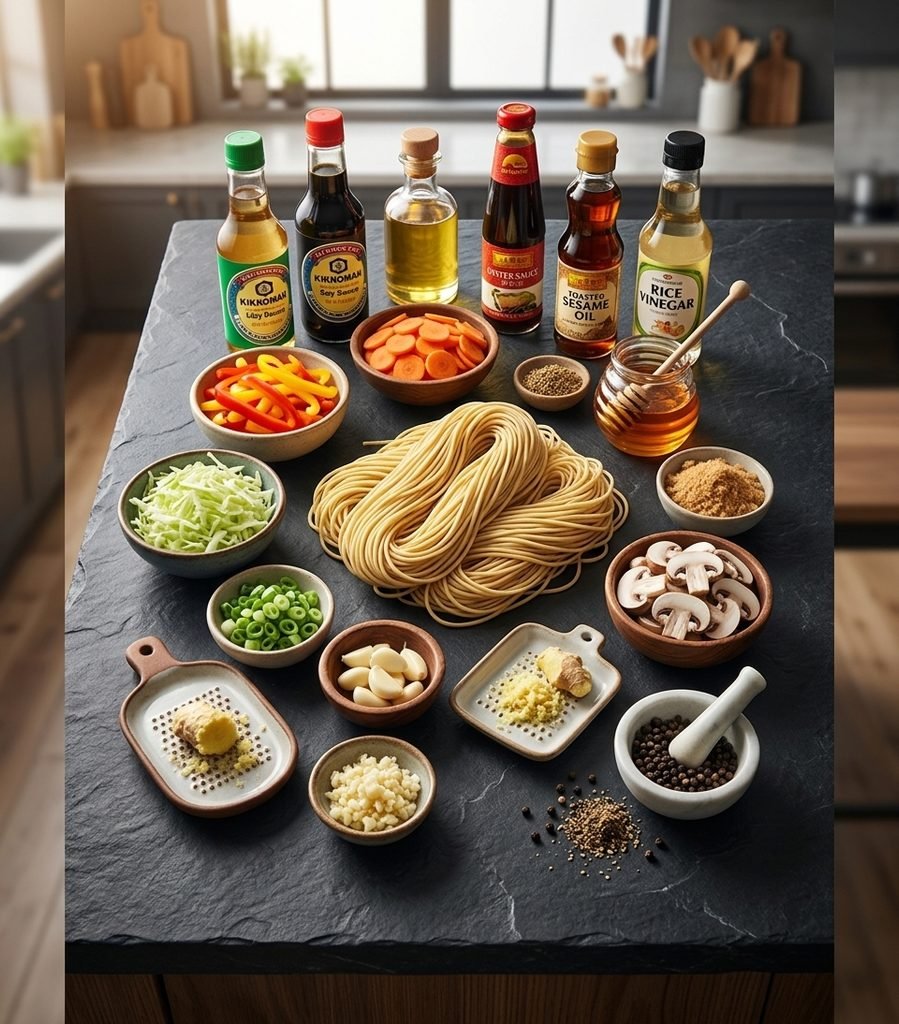
For this easy Chinese Lo Mein Recipe, you will need noodles, fresh vegetables, and a simple savory sauce.
For the Noodles
- 12 ounces lo mein noodles
- Water for boiling
- 1 tablespoon cooking oil
If you cannot find traditional lo mein noodles, you can use egg noodles, Chinese wheat noodles, or another medium-thick Asian noodle.
For the Vegetables
- 1 cup sliced bell peppers
- 1 cup thinly sliced carrots
- 1 cup shredded cabbage
- ½ cup sliced green onions
- ½ cup sliced mushrooms
- 2 cloves garlic, minced
You can easily change the vegetables depending on what you have in your kitchen.
For the Lo Mein Sauce
- 3 tablespoons soy sauce
- 1 tablespoon oyster sauce
- 1 teaspoon sesame oil
- 1 teaspoon honey or brown sugar
- 1 teaspoon rice vinegar
- ½ teaspoon grated fresh ginger
- ¼ teaspoon black pepper
Mix all of the sauce ingredients in a small bowl before you begin cooking.
How to Make Chinese Lo Mein
Step 1: Prepare the Lo Mein Sauce

Start by making the sauce because it will be ready when you need it.
Add soy sauce, oyster sauce, sesame oil, honey or brown sugar, rice vinegar, ginger, and black pepper to a small bowl.
Whisk everything together until well combined.
Taste a small amount and adjust the seasoning if needed. If you prefer a sweeter lo mein, add a little more honey.Chinese Lo Mein Recipe For a stronger savory flavor, add a small amount of soy sauce.
Set the sauce aside while you prepare the noodles and vegetables.
Step 2: Cook the Chinese Lo Mein Recipe
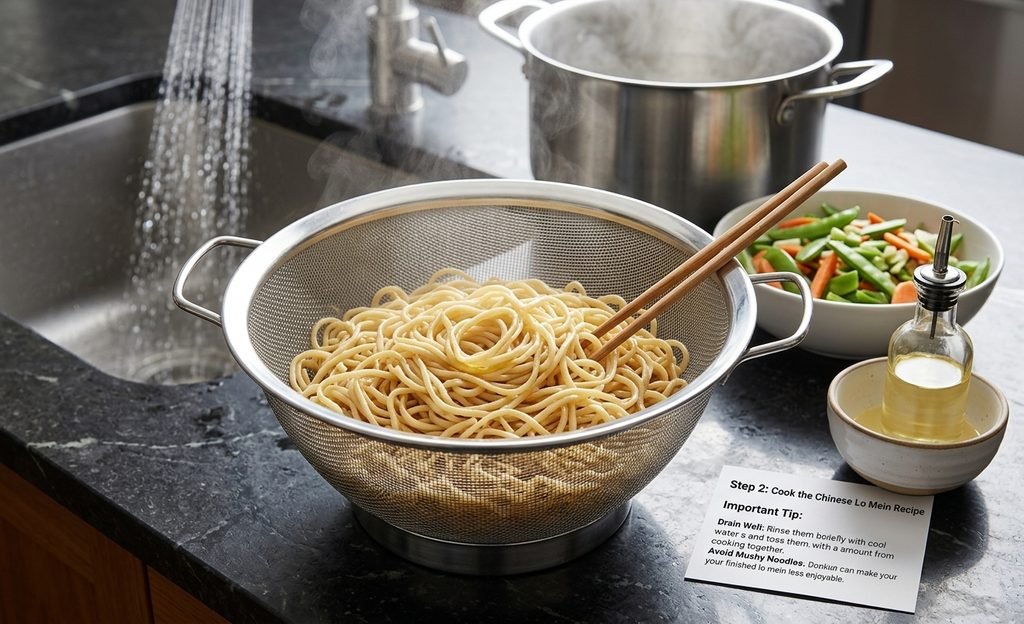
Bring a large pot of water to a boil.
Cook the lo mein noodles according to the package instructions.Chinese Lo Mein Recipe Try not to overcook them because they will be added to a hot pan later.
Once the noodles are cooked, drain them well.
For the best texture, rinse them briefly with cool water and toss them with a small amount of cooking oil. This helps prevent the noodles from sticking together.
Set the noodles aside.
Important Tip
Do not leave the noodles sitting in hot water after they are cooked. Overcooked noodles can become soft and mushy, which can make your finished lo mein less enjoyable.
Step 3: Stir-Fry the Vegetables Chinese Lo Mein Recipe
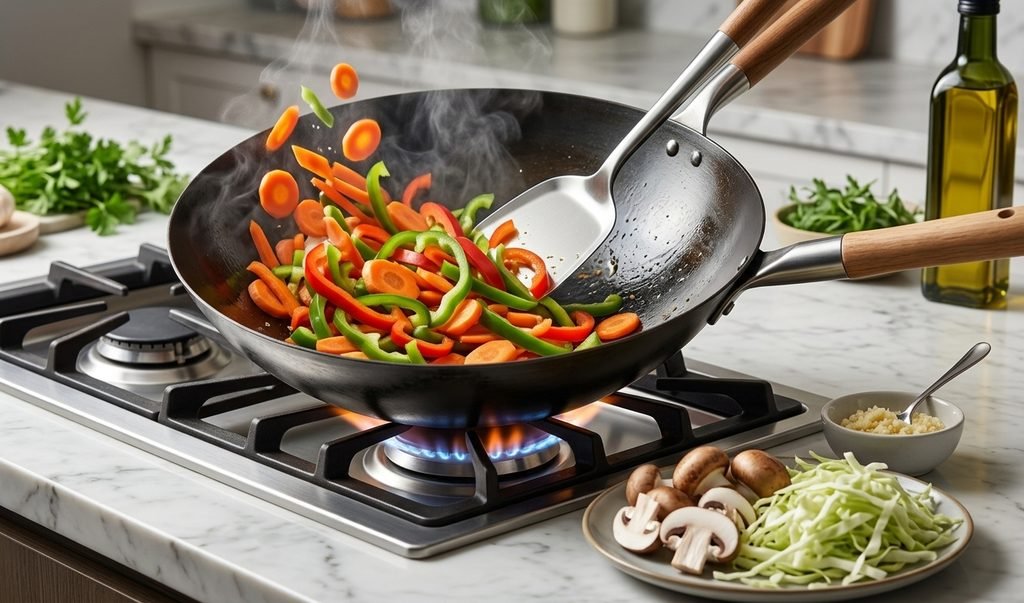
Heat a large wok or skillet over medium-high to high heat.
Add about one tablespoon of cooking oil.
Add the sliced carrots and bell peppers first because they take slightly longer to cook.
Stir-fry for about 2 minutes.
Next, add the mushrooms and cabbage. Continue cooking for another 2 to 3 minutes.
Add the minced garlic and cook for about 30 seconds.
The vegetables should be cooked but still slightly crisp. Avoid cooking them until they become very soft.
Fresh, colorful vegetables give homemade lo mein a much better texture.
Step 4: Add the Noodles Chinese Lo Mein Recipe
Add the cooked noodles to the wok with the vegetables.
Use tongs or two large spoons to gently toss everything together.
Make sure the noodles are evenly mixed with the vegetables.
At this stage, keep the heat fairly high. High heat helps create that delicious stir-fried flavor that you normally get from Chinese restaurants.
Step 5: Add the Sauce
Pour the prepared lo mein sauce over the noodles.
Immediately toss everything together so the sauce coats the noodles evenly.
Continue stir-frying for about 2 to 3 minutes.
You should notice the noodles becoming glossy as the sauce coats them.
Do not add all of the sauce at once if you are unsure about the flavor. You can start with most of it and add more according to your taste.
Step 6: Add Green Onions
Add the sliced green onions during the final minute of cooking.
Toss everything together one last time.
Remove the pan from the heat.
Your homemade Chinese Lo Mein is now ready to serve.
Tips for Making the Best Chinese Lo Mein
Making great lo mein is mostly about controlling the heat, noodles, and sauce.
1. Use High Heat
A hot wok or skillet helps vegetables cook quickly without becoming watery.
If the pan is not hot enough, the vegetables may release too much water and the noodles can become soggy.
2. Do Not Overcook the Noodles
Cook the noodles just until tender.
Remember that they will continue cooking when you add them to the hot wok.
Slightly firm noodles usually produce the best final texture.
3. Prepare Everything Before Cooking
Stir-frying happens quickly.
Slice the vegetables, prepare the noodles, and mix the sauce before turning on the stove.
This makes the cooking process much easier.
4. Don’t Overcrowd the Pan
If you are making a large amount of lo mein, use a large wok or cook in batches.
Overcrowding lowers the temperature and can cause the ingredients to steam instead of stir-fry.
5. Keep the Vegetables Slightly Crisp
Fresh vegetables should have some texture.
Carrots, bell peppers, cabbage, and mushrooms should not be cooked until completely soft.
A little crunch makes the dish more enjoyable.
Can You Add Chicken to Lo Mein?
Absolutely.
Chicken Lo Mein is one of the easiest variations of this recipe.
Cut boneless chicken breast or chicken thighs into thin strips.
Season lightly with salt and pepper.
Heat a little oil in the wok and stir-fry the chicken until completely cooked. Remove it from the pan and set it aside.
Then cook the vegetables as described above.
Add the cooked chicken back to the wok when you add the noodles and sauce.
This creates a delicious Chicken Lo Mein Recipe that is perfect for a complete family dinner.
You can also connect this article to your existing Chinese chicken recipes on ChineseFoodly using natural internal links.
Can You Make Vegetable Lo Mein?
Yes, and it is one of the easiest versions.
Simply leave out the meat and add extra vegetables.
Some great options include:
- Broccoli
- Snow peas
- Bean sprouts
- Bok choy
- Mushrooms
- Bell peppers
- Carrots
- Cabbage
- Green onions
Try to use a combination of different colors and textures.
This makes your vegetable lo mein look more appetizing and adds variety to every bite.
What Noodles Are Best for Lo Mein?
Traditional lo mein noodles are usually wheat-based noodles with a chewy texture.
However, you don’t have to worry if you cannot find authentic lo mein noodles.
You can use:
- Fresh lo mein noodles
- Dried Chinese egg noodles
- Asian wheat noodles
- Medium-thick noodles
- Spaghetti in a pinch
The most important thing is to avoid overcooking the noodles.
For the closest homemade takeout experience, choose noodles that are chewy rather than very thin or soft.
How to Store Leftover Lo Mein
If you have leftover lo mein, allow it to cool slightly before transferring it to an airtight container.
Store it in the refrigerator and enjoy it within a few days.
When reheating, add the noodles to a skillet over medium heat.
Add a small splash of water or a few drops of soy sauce if the noodles seem dry.
Stir frequently until heated through.
You can also reheat lo mein in a microwave, but a skillet usually gives you better texture.
Common Mistakes to Avoid
Using Too Much Sauce
Too much sauce can make the noodles wet and heavy.
Start with a moderate amount and add more if necessary.
Overcooking Vegetables
Very soft vegetables can make the dish lose its fresh texture.
Cook them quickly over high heat.
Overcooking Noodles
This is one of the most common mistakes.
Always follow the noodle package instructions and avoid leaving cooked noodles in hot water.
Cooking on Low Heat
Lo mein is a stir-fried dish, so high heat is important.
A hot pan helps create better flavor and texture.
Adding Cold Ingredients Too Slowly
Have everything ready before cooking. Once the wok is hot, the recipe moves quickly.
What to Serve With Lo Mein
Lo mein can be served as a complete meal, but you can also pair it with other Chinese-inspired dishes.
For a larger dinner, serve it with:
- Chinese Chicken Stir-Fry
- Chinese Beef and Broccoli
- Kung Pao Chicken
- Sweet and Sour Chicken
- Chinese Fried Rice
- Steamed vegetables
- Spring rolls
If you already have related recipes on your website, this is an excellent opportunity to add internal links between your posts.
For example, readers who enjoy noodles may also want to try your Easy Chinese Chicken Noodles Recipe, while readers looking for a meat-based dinner can explore your Chinese Beef and Broccoli Recipe.
Frequently Asked Questions
Is lo mein healthy?
Lo mein can be part of a balanced meal, especially when you include plenty of vegetables and a moderate amount of sauce. Homemade lo mein also gives you better control over the ingredients and amount of oil and sodium.
What is the difference between lo mein and chow mein?
The main difference is the preparation and noodle texture. Lo mein noodles are typically cooked and then tossed with sauce and other ingredients, while chow mein is commonly associated with stir-frying noodles until they develop a firmer or crispier texture.
Can I make lo mein without a wok?
Yes. A large skillet works very well. Choose the largest pan you have so the ingredients have enough room to cook properly.
Can I make this recipe vegetarian?
Yes. Simply leave out the meat. If you want a fully vegetarian version, make sure the sauces you use are vegetarian-friendly.
Can I use spaghetti instead of lo mein noodles?
Yes. Spaghetti can work as a substitute when traditional lo mein noodles are unavailable. Cook it until just tender and avoid overcooking.
How do I stop lo mein noodles from sticking?
Drain the noodles well after cooking and toss them with a small amount of oil. Also, avoid leaving them sitting together for too long before adding them to the wok. For another delicious Chinese takeout favorite, check out our Chinese Beef and Broccoli Recipe.
Final Thoughts
This easy Chinese Lo Mein Recipe is a delicious way to enjoy homemade Chinese-style noodles without spending a lot of time in the kitchen. With chewy noodles, fresh vegetables, and a simple savory sauce, you can create a satisfying meal in about 30 minutes.
The recipe is also easy to customize. Add chicken for a protein-packed dinner, use extra vegetables for a vegetarian version, or try beef or shrimp for something different.
Once you learn this basic lo mein method, you can adjust the ingredients and sauce to create your own favorite combination.
For the best results, remember three important things: don’t overcook the noodles, keep the wok hot, and prepare all your ingredients before you start cooking.
If you enjoy Chinese takeout-style food, save this recipe and try it for your next homemade dinner.

2 Comments
Pingback: Chinese Beef Chow Mein Recipe – Easy 30-Minute Noodles
Pingback: How to Make Lo Mein: 7 Easy Steps for Better-Than-Takeout Noodles